There is something almost absurd about the fact that we still get hydration wrong. Water is the oldest medicine on earth, the original performance enhancer, the single nutrient that predates every vitamin, supplement, and dietary trend we have ever invented. It makes up roughly 60 percent of your body weight. Every cell you have depends on it to survive. And yet, survey after survey finds that nearly half of adults in the United States and Europe are chronically underhydrated. Not dramatically, not dangerously, but persistently, quietly, and with consequences that science is only now beginning to fully map.1
This is not another article telling you to drink eight glasses a day. That advice is well-intentioned, mostly harmless, and almost entirely without scientific foundation. What it is, instead, is an attempt to give you the complete picture: the physiology of how water works in your body, the real numbers behind daily intake, what dehydration actually does to your brain and your long-term health, which beverages genuinely hydrate you and which ones are a marketing fantasy, and how your needs change depending on who you are, where you live, and what you do. The science here is richer, stranger, and more useful than the folklore. It is worth knowing.
01What Water Actually Does Inside You
The human body is not a bag of water. It is a finely engineered system in which water serves as solvent, transport medium, temperature regulator, joint lubricant, and chemical participant, all simultaneously, all the time. When physiologists say that water is the most essential nutrient, they mean it in the most literal sense: you can survive weeks without food, but only days without water.2
At the cellular level, every biochemical reaction your body performs takes place in an aqueous environment. Enzymes catalyze reactions in water. Nutrients cross cell membranes carried by water. Waste products leave cells through water. The blood, roughly 90 percent water by volume, carries oxygen from your lungs to your organs and removes carbon dioxide on the return trip. Without adequate water, this entire system slows, concentrates, and begins to fail in a cascade that starts invisibly and ends catastrophically.
One of water's most critical and least appreciated roles is thermoregulation. When your core temperature rises during exercise or heat exposure, sweat glands release water onto the skin's surface, where it evaporates and carries heat away from the body. It is an elegant, energetically expensive mechanism, and it is your primary defense against overheating. A healthy sedentary adult in a temperate environment (18 to 25 degrees Celsius) loses between 1,800 and 3,000 mL of water each day through urine, breath, sweat, and the gut.3 Add heat, and that figure climbs steeply. Researchers estimate that each 1 degree Celsius increase in ambient temperature raises fluid requirements by roughly 5.7 grams per day.3 Add exercise on top of heat, and the numbers become dramatic quickly.
Water also maintains osmotic balance, the equilibrium between the fluid inside your cells and the fluid surrounding them. This balance is controlled primarily by two minerals: sodium, the dominant electrolyte in extracellular fluid, and potassium, the dominant electrolyte inside cells. The kidneys act as the master regulators of this system, adjusting the concentration and volume of urine based on signals from hormones including antidiuretic hormone (ADH, also called vasopressin) and aldosterone. When you are well hydrated, the kidneys dilute urine and excrete the excess. When you are dehydrated, they concentrate urine to conserve every drop. This is why urine color is one of the most practical and reliable proxies for hydration status, a subject we will return to.
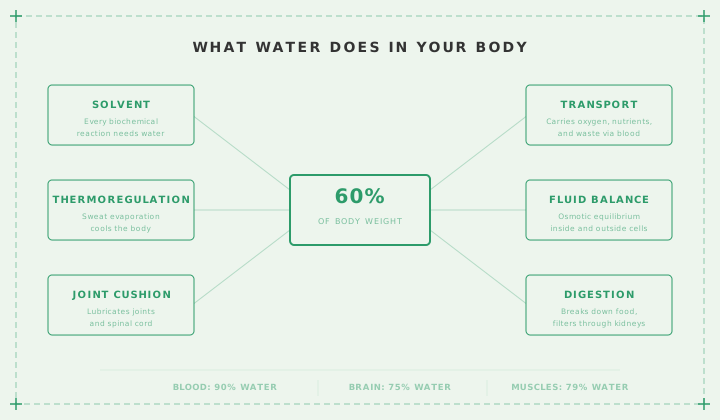
Beyond the mechanics, water also plays a role in digestion, kidney filtration, the synthesis of hormones and neurotransmitters, and the cushioning of joints and the spinal cord. It is, in a very real sense, the medium in which your entire biology operates. Remove it gradually and every system degrades. Restore it and nearly everything improves.
02How Much Do You Actually Need?
The "8x8" rule, eight glasses of eight ounces each, totaling 64 ounces or about 1.9 liters per day, is perhaps the most enduring myth in all of nutrition science. It has been traced to a 1945 U.S. Food and Nutrition Board recommendation that specified 2.5 liters of water daily, but the same document noted that most of that quantity would be supplied by food. Somehow, that crucial caveat was dropped, and the naked number survived for decades.4
The current gold standard for intake recommendations comes from the National Academy of Medicine (NAM), which uses the concept of Adequate Intake (AI) rather than a precise requirement, because individual needs vary too dramatically for a single number to be meaningful. The NAM's AI figures represent the median total water intake observed in healthy populations, not a minimum or a target.
| Population Group | Total Daily Water (from all sources) | From Beverages Alone |
|---|---|---|
| Men (19+) | ~3.7 L (125 fl oz) | ~3.0 L (101 fl oz) |
| Women (19+) | ~2.7 L (91 fl oz) | ~2.2 L (74 fl oz) |
| Pregnant women | ~3.0 L (101 fl oz) | ~2.4 L (81 fl oz) |
| Breastfeeding women | ~3.8 L (128 fl oz) | ~3.1 L (105 fl oz) |
| Boys 9 to 13 | ~2.4 L (81 fl oz) | ~1.8 L (61 fl oz) |
| Girls 9 to 13 | ~2.1 L (71 fl oz) | ~1.6 L (54 fl oz) |
Source: National Academy of Medicine Dietary Reference Intakes.5 Note: approximately 20% of total water intake typically comes from food.
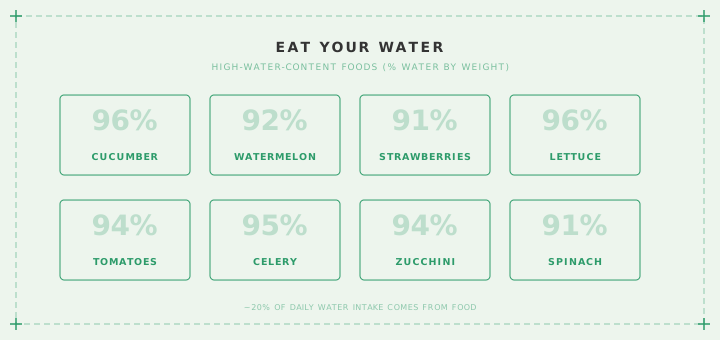
These numbers deserve context. First, roughly 20 percent of total daily water intake comes not from beverages at all, but from food, particularly fruits and vegetables like watermelon, cucumber, celery, berries, and leafy greens, which are close to 100 percent water by weight. A person eating a diet rich in whole plant foods is getting meaningful hydration from their plate, not just their cup.
Second, these figures assume a temperate climate and light physical activity. The moment you introduce heat, exercise, illness, altitude, or significant physical labor, your needs increase substantially, and the NAM figures become a floor, not a ceiling. A 2025 study from Peking University tracking seasonal fluctuations in total water intake found that young adults were significantly more dehydrated in summer than in other seasons, even though they were consuming more total fluid, suggesting that the demand in hot conditions routinely outpaces even elevated intake.6
Third, and most importantly, body weight matters enormously to individual needs. A rough working rule used by sports nutritionists is approximately 35 mL of water per kilogram of body weight per day under normal conditions, higher for active individuals. A 70 kg person would need about 2.45 liters from beverages. A 100 kg person would need about 3.5 liters, entirely independent of what the NAM population average suggests.
The most honest and practical statement about daily water needs is this: there is no universal number, but most adults need somewhere between 2 and 3.5 liters of fluid from beverages daily, adjusted upward for heat, exercise, body size, pregnancy, and illness. And the simplest checkpoint is not a milliliter count. It is your urine.
The Urine Color Guide
Your kidneys are constantly adjusting urine concentration based on your hydration status, making urine color a practical real-time indicator that requires no gadgetry.
| Urine Color | Hydration Status | What to Do |
|---|---|---|
| Pale straw to light yellow | Well hydrated | Maintain current intake |
| Dark yellow | Mildly underhydrated | Drink water soon |
| Amber or honey | Moderately dehydrated | Drink water now |
| Brown or very dark | Severely dehydrated | Seek fluids immediately and consider medical attention |
| Colorless or completely clear | Possibly overhydrated | Ease off fluid intake |
Note: B vitamins, certain medications, and some foods (beets, asparagus) can alter urine color independently of hydration status.
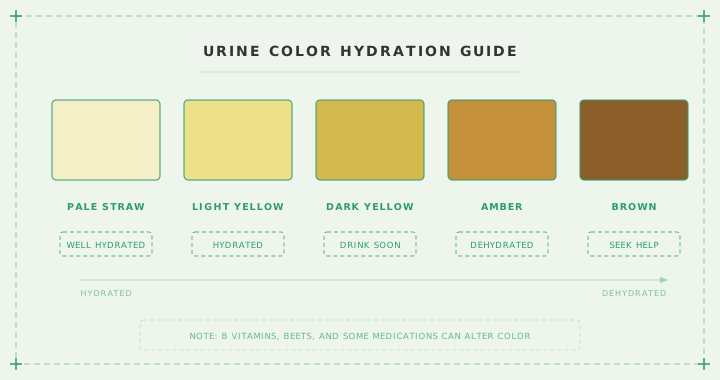
A 2024 study published in the British Journal of Nutrition validated the combined use of urine color, thirst, and body weight as a reliable tool for hydration assessment at multiple time points throughout the day. The convergence of all three signals, pale urine, absence of thirst, and stable morning body weight, is a reliable marker of adequate hydration in free-living conditions.7
03How mild dehydration hurts focus mood and output
Dehydration is not a single event. It is a spectrum, and the early stages are where most people spend their lives without ever realizing it.
Acute Dehydration: What Happens and When
When water loss exceeds intake, the body activates a cascade of compensatory responses. The kidneys receive signals to concentrate urine. Blood plasma volume decreases. The heart works harder to maintain cardiac output with less fluid. Core temperature begins to rise under exertion. And the brain, which is approximately 75 percent water by mass, begins to feel the effects.
The research on dehydration and cognitive performance has produced a consistent, if nuanced, picture. A body of literature stretching back decades and a landmark 2012 review published in the Journal of the American College of Nutrition established that being dehydrated by just 2 percent of body weight, roughly 1.4 kg for a 70 kg person, impairs performance on tasks requiring attention, psychomotor speed, and immediate memory.8 More complex executive functions like long-term memory and reasoning tend to be somewhat more preserved at mild dehydration levels, particularly when dehydration is achieved through moderate exercise rather than passive deprivation.
A more recent 2024 longitudinal study published in the American Journal of Human Biology followed middle-to-older aged adults over three months under real-world conditions. Using serum osmolality as the gold-standard biomarker of hydration, the researchers found that dehydrated individuals performed significantly worse on sustained attention tasks, nearly two-thirds of a standard deviation worse, but showed no significant impairment on inhibition, working memory, or cognitive flexibility.9 The effect was specific to tasks requiring prolonged, uninterrupted focus. For anyone who spends their day reading documents, attending meetings, or performing any work that demands sustained concentration, that finding has immediate, practical relevance.
Separate neuroimaging research has shown that acute dehydration causes measurable changes in brain morphology. The lateral ventricles expand, and fronto-parietal blood-oxygen-level-dependent responses increase.10 These are not subtle changes. They suggest that even mild dehydration is altering the physical environment in which your neurons operate.
The mood effects of dehydration are equally well documented. Studies report that even modest fluid deficits increase ratings of fatigue, tension, and confusion while reducing feelings of energy and alertness.11 Headaches, among the most common complaints people attribute to almost every possible cause, are frequently a symptom of mild dehydration, given that the brain's vascular environment is directly affected by blood volume and osmolality.
Chronic Underhydration: The Long Game
The acute effects of dehydration are dramatic and well-known. The chronic effects are quieter, slower, and arguably more important.
A landmark 2024 review published in Nature Reviews Nephrology by researchers at the National Heart, Lung, and Blood Institute synthesized epidemiological and experimental evidence linking markers of chronic low fluid intake, including elevated plasma vasopressin, high plasma sodium concentration, and high urine osmolality, with significantly increased risk of new-onset chronic disease, accelerated biological aging, and premature mortality.12
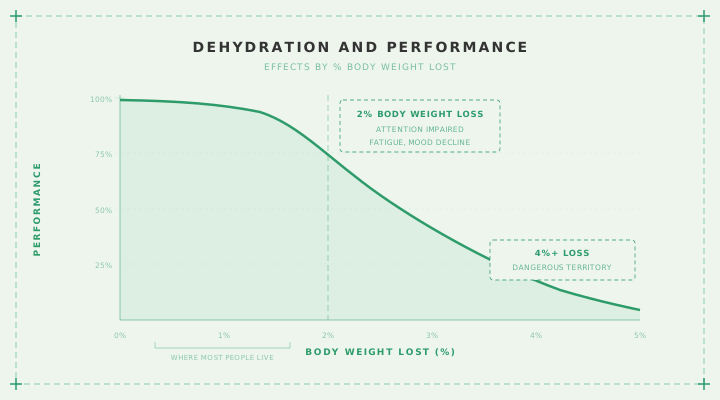
The mechanism is important to understand. When the body is persistently underhydrated, the hormone vasopressin is chronically elevated as the kidneys work continuously to conserve water. Vasopressin is not a benign molecule: at chronically elevated levels, it has been associated with insulin resistance, metabolic syndrome, hypertension, and kidney damage. The body's water conservation system, designed for short-term emergencies, appears to exact a long-term cost when kept in a state of permanent activation.12
The kidney evidence is particularly strong. Increasing water intake may have a beneficial effect on renal function in patients with all forms of chronic kidney disease, primarily by reducing vasopressin secretion.17 Dehydration and heat stress are now considered the most probable cause of an ongoing epidemic of chronic kidney disease among young agricultural workers in Mesoamerica, a stark illustration of what sustained underhydration can do to a population.
Epidemiological studies suggest that even mild but chronic underhydration can contribute to the development of coronary heart disease, heart failure, diabetes, obesity, kidney function deterioration, premature mortality, and faster aging. These associations come from multiple independent cohorts across different countries, lending them meaningful epidemiological weight.
A 2024 analysis using data from the Malmo Diet and Cancer cardiovascular cohort examined the relationship between habitual water intake and future cardiometabolic outcomes. The researchers found meaningful associations between low habitual water intake and adverse cardiovascular trajectories, adding to a body of evidence suggesting that hydration belongs in the same preventive conversation as blood pressure, cholesterol, and blood glucose.18
Meanwhile, a 2024 systematic review in JAMA Network Open, one of the most comprehensive analyses to date of randomized clinical trials testing changes in daily water intake, found that interventions increasing water consumption were associated with statistically significant greater weight loss and fewer kidney stone events. Single studies in the review also suggested potential benefits for migraine prevention, urinary tract infection reduction, and diabetes control, though these did not reach statistical significance and require further investigation.13
The picture that emerges from the totality of this evidence is clear: hydration is not merely an athletic or comfort concern. It is a foundational health behavior with implications that extend across decades, not just hours.
04Sodium potassium and magnesium control fluid balance
You cannot talk about hydration without talking about electrolytes, and you cannot understand electrolytes without understanding what they actually are. An electrolyte is any mineral that carries an electrical charge when dissolved in water. The major electrolytes in the human body, sodium, potassium, magnesium, chloride, calcium, and phosphate, govern everything from nerve conduction and muscle contraction to acid-base balance and fluid distribution between cellular compartments.
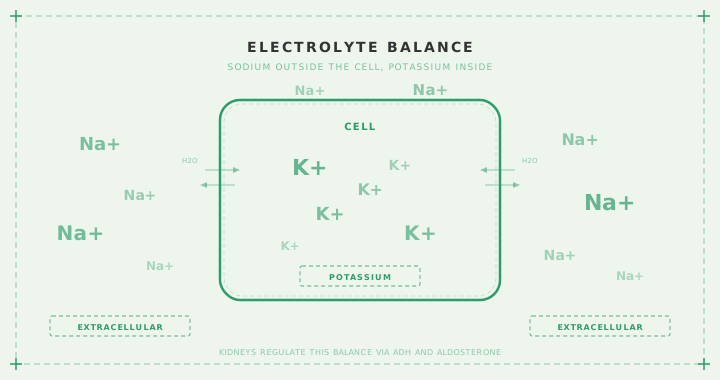
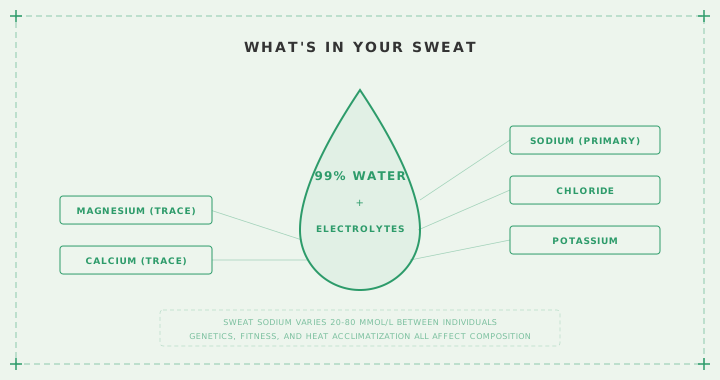
When you sweat, you lose water and electrolytes in tandem. Sweat is primarily water, but it also contains meaningful quantities of sodium and chloride, smaller amounts of potassium, and trace amounts of magnesium and calcium. The exact composition varies enormously between individuals. Sweat sodium concentration alone can range from about 20 to 80 mmol/L depending on genetics, heat acclimatization status, fitness level, and diet. This individual variation is one of the reasons that blanket hydration advice is so often inadequate.14
Sodium: The Gatekeeper of Fluid Balance
Sodium is the most important electrolyte for hydration purposes. As the primary ion in extracellular fluid, sodium concentration determines how much water is held in the spaces between cells and in the blood. When sodium levels fall, water shifts into cells. When sodium rises, the kidneys retain water to maintain osmotic balance.
The practical implication is this: drinking large amounts of plain water without replacing sodium can actually dilute blood sodium concentration, a potentially dangerous condition known as hyponatremia. The Huberman Lab nutrition advice roundup covers electrolyte management in the context of fasting and training. This is not a theoretical concern. Exercise-associated hyponatremia is a recognized medical emergency seen most often in endurance events, marathons, triathlons, ultramarathons, where athletes drink excessive amounts of plain water over many hours without sodium replacement. The consequences range from nausea and confusion to seizures and death in severe cases.
The good news is that for most people in most situations, normal eating provides more than sufficient sodium to support hydration. There is currently no evidence that athletes require a greater dietary sodium intake day-to-day, due to regulation of sodium losses via the kidneys and sweat glands. Where sodium replacement matters most is during prolonged exercise exceeding 60 to 90 minutes, particularly in hot conditions, or following any activity that produces heavy, visible sweating. A 2025 randomized trial found that a commercial electrolyte beverage consumed at the same rate as plain water produced significantly better hydration markers after six hours, reinforcing that what you add to water matters when the goal is sustained fluid retention.19 For the race-specific version of that decision, including when a pre-race sodium preload is worth testing and when it is unnecessary, read Sodium Loading for Endurance Racing. Glycerol Hyperhydration for Endurance Racing covers the other osmotic aid, including the combined glycerol plus sodium protocol and the 2025 field half-marathon that retained an extra litre and still ran the same time.
Potassium: The Intracellular Partner
Where sodium rules outside the cell, potassium rules within it. Potassium regulates intracellular osmotic pressure, enables protein and carbohydrate synthesis, and plays a critical role in nerve signal transmission and muscle contraction, including the heartbeat. Most adults need around 2,600 to 3,400 mg of potassium per day, and the primary source should be food rather than supplements. Bananas are famous for their potassium content, but many foods are richer: avocados, spinach, sweet potatoes, lentils, and salmon all provide more potassium per serving.
Magnesium: The Often Overlooked Essential
Magnesium participates in over 300 enzymatic reactions in the body, including ATP synthesis, protein production, and muscle relaxation. It is also lost in sweat, though at lower concentrations than sodium. Deficiency is common in the general population, and symptoms overlap considerably with chronic dehydration: fatigue, muscle cramps, headaches, poor sleep. For athletes and highly active individuals, ensuring adequate magnesium intake through foods like nuts, seeds, dark leafy greens, and whole grains is worth deliberate attention. The full breakdown of forms, doses, and timing protocols is in the deeper guide on Magnesium for Sleep, Cramps, and Recovery. For a deeper cramp-specific framework, read why muscle cramps happen, because the evidence often points to fatigued neuromuscular control.
| Electrolyte | Primary Location | Key Functions | Main Dietary Sources |
|---|---|---|---|
| Sodium | Extracellular | Fluid balance, nerve signals, blood pressure | Salt, processed foods, olives, pickles |
| Potassium | Intracellular | Muscle contraction, fluid balance, nerve signals | Avocado, sweet potato, spinach, banana |
| Magnesium | Intracellular | 300+ enzyme reactions, muscle relaxation, ATP | Nuts, seeds, dark greens, whole grains |
| Chloride | Extracellular | Acid-base balance, stomach acid production | Salt, seaweed, tomatoes, lettuce |
| Calcium | Bone and extracellular | Bone structure, muscle contraction, nerve signals | Dairy, leafy greens, fortified foods |
| Phosphate | Intracellular | Energy production, DNA and RNA structure | Meat, dairy, nuts, legumes |
05What Actually Counts as Hydration
The beverage landscape has never been more crowded, and the claims made for and against various drinks range from accurate to absurd. Clarity, for once, is available, because researchers have developed a formal, evidence-based tool called the Beverage Hydration Index (BHI).
The BHI was developed by researchers at the University of Stirling and published in the American Journal of Clinical Nutrition in 2016. It works by measuring urine output over four hours after consuming one liter of a test beverage and comparing it to the same volume of plain still water, which is assigned a value of 1.0. A beverage with a BHI above 1.0 is retained more effectively than water. Below 1.0 means faster excretion. A 2024 clinical review confirmed BHI as a practical tool for planning person-specific beverage advice in medical and athletic contexts.20
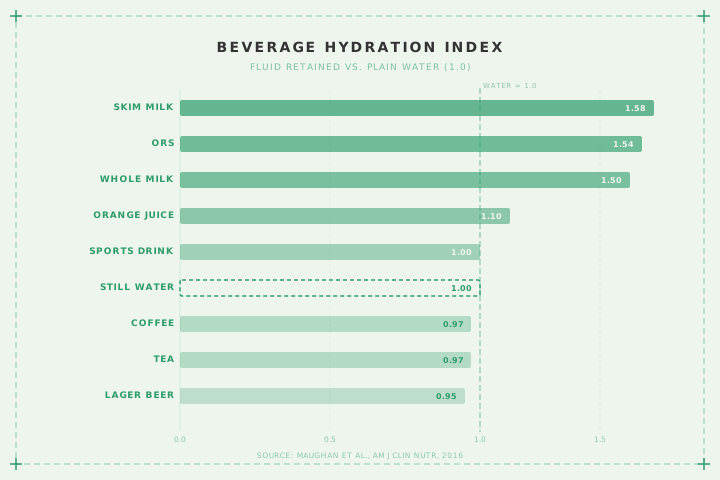
The results were more interesting than expected. Plain water is a reasonable hydrator, but it is not the best one. Total urine output was lower than the still-water control after an oral rehydration solution, full-fat milk, and skimmed milk, all of which showed meaningfully higher hydration potential. Milk's advantage comes from its combination of protein, fat, lactose, and electrolytes, a profile that slows gastric emptying and supports longer fluid retention. The oral rehydration solution scored highest of all, by design: it is formulated specifically to optimize absorption via the sodium-glucose cotransporter in the intestinal wall.15
| Beverage | BHI (vs. water = 1.0) | Notes |
|---|---|---|
| Oral rehydration solution | ~1.54 | Highest retention via sodium-glucose absorption |
| Full-fat milk | ~1.50 | Protein, fat, lactose, electrolytes slow gastric emptying |
| Skim milk | ~1.58 | Slightly higher than full-fat after water-content correction |
| Still water | 1.00 | Reference beverage |
| Sparkling water | ~1.00 | No meaningful difference from still water |
| Coffee | ~0.95 to 1.00 | Not statistically different from water |
| Tea (hot or iced) | ~0.95 to 1.00 | Not statistically different from water |
| Orange juice | ~1.10 (uncorrected) | Carbohydrate and potassium content helps retention |
| Sports drink | ~1.00 | Similar to water depending on sodium content |
| Cola or diet cola | ~0.95 to 1.00 | Not statistically different from water |
| Lager beer | ~0.95 | Slightly behind water due to mild diuretic effect |
Source: Maughan et al., Am J Clin Nutr, 2016.15
The Coffee Myth, Put to Rest
Few beliefs in popular nutrition are as persistent as the idea that coffee dehydrates you. The caffeine-as-diuretic story has some basis in physiology. At very high doses, caffeine does inhibit antidiuretic hormone. But the doses required to produce meaningful diuresis are far above what most people consume in normal coffee drinking.
A tolerance to the diuretic actions of caffeine develops with regular intake, and the amounts of caffeine found in normal-sized servings of tea, coffee, and soda do not have clinically significant diuretic effects. A controlled crossover trial of regular coffee drinkers found no significant difference in total body water, 24-hour urine volume, or key blood markers between drinking 800 mL of coffee and the same volume of plain water. For habitual drinkers, the morning cup of coffee is hydrating. The net effect of the water it contains vastly outweighs any mild caffeine-driven urinary increase.
This does not mean you should replace water with espresso. But it does mean you can stop worrying that your morning coffee is leaving you parched.
Alcohol: The Exception
Alcohol is genuinely diuretic. It directly suppresses antidiuretic hormone secretion, instructing the kidneys to increase urine output. The dehydrating effect is real, dose-dependent, and compounded in warm environments. The headache and fatigue that characterize a hangover are substantially explained by the dehydration that alcohol causes. Beer's relatively low alcohol content means it scores reasonably well on the BHI compared to spirits, but it is categorically not an effective hydration vehicle. No amount of BHI optimization changes the basic biology.
The training and body composition costs of alcohol go beyond hydration. Muscle protein synthesis, sleep architecture, fat oxidation, and hormonal recovery all take a hit at higher doses. The dose-response on each of those is broken down in Alcohol and Body Composition.
Alkaline Water: Worth the Price Tag?
The alkaline water market has exploded over the past decade, driven by celebrity endorsements and claims ranging from "superior hydration" to "anti-aging effects" and "cancer prevention." The marketing is considerably more vigorous than the evidence.
The core claim, that alkaline water (typically pH 8 to 9) is better for you because it neutralizes acidity in the body, misunderstands how human physiology works. The pH levels of your blood cannot be changed significantly through diet, including by drinking alkaline water. Your kidneys and lungs ensure that blood pH stays within a very strict range of 7.35 to 7.45. Drinking alkaline water does not meaningfully alter your blood pH, because your body will simply compensate. The claim that it does is not a simplification. It is incorrect.
The scientific evidence does not support choosing alkaline water over safe tap or regular bottled water. The lungs, kidneys, and liver effectively maintain the body's pH balance entirely on their own.
There is a small body of research suggesting possible minor benefits for conditions like acid reflux and osteoporosis, and one study found modest improvements in gout markers among patients using alkaline water alongside standard treatment. But the evidence base is thin, the studies are small, and none of them demonstrate that the alkaline pH itself, rather than simply increased fluid intake, is responsible. For almost everyone, regular water is equally effective, substantially cheaper, and entirely sufficient.
06Hydration for training heat illness pregnancy and aging
Athletes and Active Individuals
For people who exercise regularly, the hydration conversation expands considerably. The American College of Sports Medicine's core guidance, supported by an extensive body of research, is to begin exercise well hydrated, replace fluids during exercise to prevent body mass loss exceeding approximately 2 percent, and recover fluid and electrolyte balance promptly before the next session.16
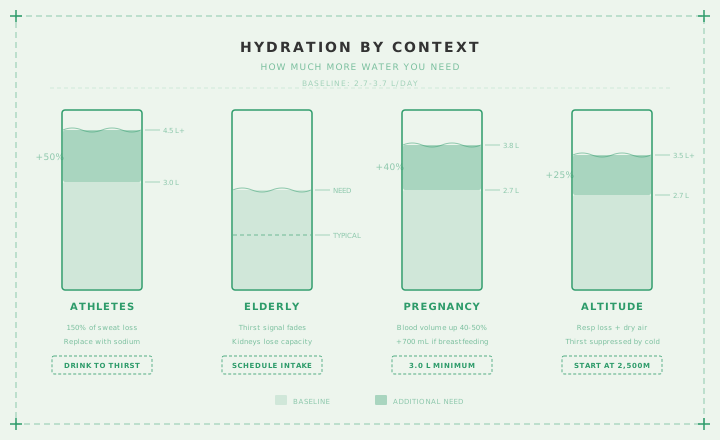
Pre-exercise hydration is best achieved by drinking about 500 mL (roughly 16 oz) of fluid in the two hours before activity, giving the kidneys time to process and eliminate any excess. During exercise lasting less than 60 minutes at moderate intensity, plain water is entirely adequate. For longer or more intense sessions, particularly in heat, beverages containing both sodium and carbohydrates are superior to plain water because sodium stimulates thirst, improves fluid absorption through the sodium-glucose cotransport mechanism in the intestine, and reduces the risk of hyponatremia. This is also why athletes trying to raise carbohydrate intake for marathons, long rides, and triathlon need a deliberate gut-training protocol rather than a gel count alone. If you need the full pre-race setup for carbohydrate, fluid, sodium, and breakfast timing, read How to Set Up a Race-Week Nutrition Plan.
The post-exercise rehydration window is often underestimated. Research suggests that replacing 150 percent of fluid losses in the one to two hours after exercise, essentially drinking 1.5 liters for every kilogram of body weight lost, is necessary to restore full fluid balance, because the kidneys continue to produce urine even as rehydration is occurring.16 Milk (including chocolate milk) is an excellent post-exercise rehydration beverage, combining the superior fluid retention profile shown in the BHI studies with carbohydrate for glycogen replenishment and protein for muscle repair.
Heat training and acclimatization reduces sweat electrolyte concentration over time, meaning athletes who train regularly in the heat lose proportionally less sodium in their sweat than untrained individuals performing the same work. This is why acclimatization matters so much for athletes competing in hot environments. The body genuinely adapts. The same fluid and sodium accounting applies on heavy sauna days, where a 25-minute session at 80 to 90 degrees C costs 0.5 to 1.0 liters of sweat and 500 to 1,500 mg of sodium that the next day's plan needs to replace. This is the same personal sweat-rate and sodium testing that Andy Galpin builds his hydration and performance nutrition framework around, rather than relying on generic daily targets.
The Elderly
Aging changes the hydration equation in ways that make chronic underhydration both more common and more dangerous among older adults. Thirst sensation declines with age, meaning the normal signal that prompts fluid intake becomes progressively less reliable. As we age, the body's regulation of fluid intake and thirst decline, and research has shown that both of these factors are impaired in the elderly. Kidney concentrating capacity also diminishes, reducing the physiological buffer against fluid imbalance. Many medications taken by older adults, diuretics, ACE inhibitors, laxatives, increase fluid losses. Physical mobility limitations can make drinking inconvenient or effortful.
The consequences of dehydration in older adults are disproportionate. Lower physiological hydration status was associated with a greater decline in global cognitive function over a two-year period in older adults. A separate body of evidence associates chronic dehydration in elderly populations with increased dementia risk, frailty, higher rates of falls, and elevated hospitalizations. For anyone caring for an elderly parent or working with older patients, proactive fluid encouragement, not waiting for thirst, is essential.
Pregnancy and Breastfeeding
Pregnant women have substantially elevated fluid needs. Blood volume expands by 40 to 50 percent during pregnancy, amniotic fluid must be produced and maintained, and fetal circulation depends on adequate maternal hydration. The NAM's recommended adequate intake rises to approximately 3.0 liters total per day during pregnancy, with an additional 700 mL daily for breastfeeding women. Beyond the numbers, the risks of dehydration in pregnancy include increased risk of urinary tract infections, neural tube defects in early development (where adequate fluid intake supports folic acid utilization), and contractions in the third trimester, as dehydration is a known trigger for Braxton Hicks contractions.
High Altitude and Extreme Environments
Altitude above approximately 2,500 meters triggers several physiological changes that accelerate fluid loss. Increased respiration rate at altitude increases water loss through the lungs. The kidneys excrete more bicarbonate to compensate for altitude-induced respiratory alkalosis, which pulls water with it. And the cold, dry air characteristic of high elevations directly increases insensible water losses through the respiratory tract. Travelers and athletes ascending to altitude should deliberately increase fluid intake well above baseline needs, even in the absence of obvious thirst. Fluid planning is only one piece of the altitude picture, since carbohydrate needs and iron status shift at the same time. The full camp protocol is in altitude training nutrition for endurance athletes.
07Hydration myths that keep circulating
"You Need to Drink Before You Are Thirsty"
Thirst is not, as this advice implies, a sign that you are already dangerously dehydrated. Thirst is a sensitive early-warning signal regulated by osmoreceptors in the hypothalamus, calibrated to trigger well before performance is meaningfully impaired in healthy adults. The idea that you should constantly preempt thirst, drinking on a schedule regardless of subjective sensation, is not supported by evidence in healthy sedentary or moderately active individuals.
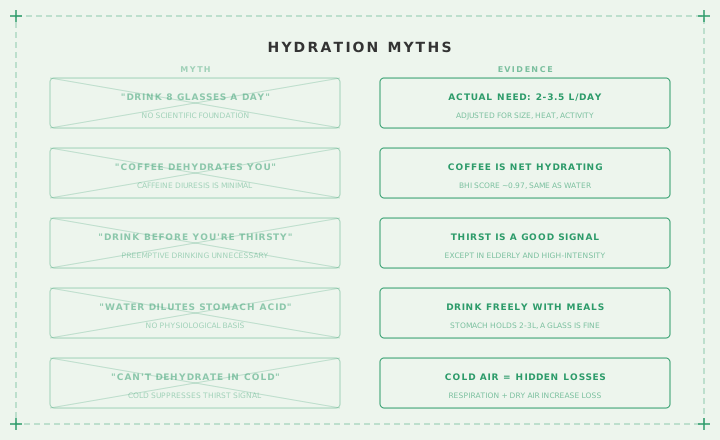
That said, thirst is an imperfect signal in two populations: the elderly, as noted above, and athletes exercising at high intensities, where the thermoregulatory and exertion responses can suppress thirst perception even as dehydration accumulates. For healthy adults going about their daily lives, drinking when you are thirsty and monitoring urine color is a sound, evidence-based strategy.
"Most People Are 75% Dehydrated"
This frequently cited statistic, that 75 percent of Americans are chronically dehydrated, has circulated in popular media for years. No scientific evidence in the medical literature supports this assertion. The actual prevalence of clinically meaningful chronic dehydration in healthy adults is considerably lower, though surveys do indicate that inadequate daily fluid intake is common enough to warrant public health attention.
"Cold Water Burns More Calories"
This one contains a grain of truth buried in a mountain of exaggeration. Drinking cold water does require the body to expend energy warming it to body temperature, but the caloric cost of doing so is roughly 8 calories per liter of cold water consumed. The effect is so trivially small as to have no meaningful impact on body weight or metabolism.
"Drinking Water with Meals Dilutes Stomach Acid"
The stomach contains approximately 2 to 3 liters of gastric contents at any one time. Drinking a glass of water with your meal has no meaningful effect on gastric pH or digestive enzyme function. This myth likely persists because water can temporarily distend the stomach and create a feeling of fullness, which some people misinterpret as digestive disturbance, but there is no physiological mechanism by which a glass of water impairs digestion.
"You Cannot Get Dehydrated in Cold Weather"
Cold weather reduces the sensation of thirst, partly because cold exposure causes blood vessels near the skin surface to constrict, reducing perceived dehydration signals. At the same time, respiration increases and the cold, dry air carries away significant moisture with each breath. Cold weather athletes, skiers, mountaineers, winter runners, face genuine dehydration risk that is amplified by the absence of obvious sweat and the suppression of thirst. Proactive hydration habits matter as much in January as in July.
08Overhydration and Hyponatremia
Water is essential, but the relationship between more and better breaks down at a certain point. While overhydration in healthy sedentary adults is rare (the kidneys can process about 800 to 1,000 mL of water per hour at maximum capacity) it becomes a genuine risk in endurance sports.
Exercise-associated hyponatremia (EAH) occurs when sodium concentration in the blood falls below 135 mmol/L, typically as a result of drinking excessive volumes of plain water during prolonged endurance exercise. The sodium in the blood becomes diluted faster than it can be replaced, and water begins to shift into cells throughout the body. In the brain, where there is limited room to expand, this cellular swelling produces headache, confusion, nausea, and in severe cases, seizures, respiratory arrest, and death.
The condition is most common in slower marathon runners, Ironman triathletes, and participants in ultra-endurance events who drink water aggressively on a schedule rather than according to thirst. The prevention is straightforward: drink to thirst during exercise, use beverages containing sodium for events exceeding 60 to 90 minutes, and avoid gaining weight during a race (any weight gain during exercise is essentially water retention from overdrinking).
EAH is also a caution against aggressive promotion of the "drink as much as possible" mentality that became popular in the 1990s and early 2000s, largely driven by sports drink marketing. Current consensus guidelines from the International Exercise-Associated Hyponatremia Consensus Panel recommend drinking according to the sense of thirst as the safest primary hydration strategy for most athletes.
09Daily habits that keep hydration steady
The science points in a clear direction. Most adults in most settings are mildly underhydrated much of the time, and the consequences accumulate slowly enough that they are easy to dismiss until they are not. The good news is that correcting this requires no supplements, no specialty beverages, no expensive equipment, and no significant lifestyle disruption.
Building a Consistent Hydration Routine
Start with the morning. After six to eight hours of sleep, during which the body continues losing water through respiration and in urine, you wake up in a mild fluid deficit. Drinking 400 to 500 mL of water before your first coffee or tea is a simple, cost-free way to counteract overnight losses and establish a positive pattern for the day. Your first urine of the morning should shift noticeably lighter within a few minutes of drinking.
Carry water visibly and accessibly. Environmental cues and proximity drive drinking behavior far more effectively than good intentions. A full water bottle on your desk is consumed. A tap in another room is ignored. This is not a character failing. It is how behavioral psychology works, and designing your environment accordingly is simply playing the game intelligently.
Eat your water. A diet rich in fruits and vegetables contributes meaningfully to total hydration and provides electrolytes alongside fluid. Cucumbers, lettuce, tomatoes, watermelon, strawberries, zucchini, and celery are all 90 percent or more water by weight. They also provide potassium, which supports fluid balance, and fiber, which supports the gut environments where water absorption largely occurs.
Adjust for context. Seasonal fluctuation in hydration status is real and significant: a 2025 study confirmed that young adults were meaningfully less well-hydrated during summer than other seasons despite higher fluid consumption, underscoring that intake must actively scale with environmental demands.6 When the temperature rises, when you start a new exercise program, when you travel to altitude or arid climates, or when you experience illness with fever or gastrointestinal symptoms, treat these as automatic triggers to increase intake. The travel and jet lag nutrition for athletes guide covers destination-time meal and caffeine planning alongside an individualized hydration plan.
What to Drink
Plain water remains the foundation. It is free, calorie-free, optimally absorbed, and available from the tap in most of the world. For people who find plain water uninteresting, sparkling water provides identical hydration with the addition of carbonation. Adding slices of lemon, cucumber, or fresh herbs does not meaningfully change the hydration profile but may support sustained consumption through palatability.
Unsweetened tea and coffee contribute genuinely to daily hydration, as the BHI research confirms. Milk is an excellent option for athletes and children, providing superior fluid retention alongside protein and calcium. Whole fruits and vegetables deserve recognition as hydration sources, not merely food.
What to limit: sugar-sweetened beverages deserve special mention not because they fail to hydrate (they do provide water) but because the fructose they contain at high doses is associated with kidney damage, elevated uric acid, and metabolic syndrome. Large observational studies link high intake of sugar-sweetened beverages to albuminuria, chronic kidney disease, and coronary heart disease. The hydration benefit does not offset the metabolic cost.
A Framework for Daily Hydration
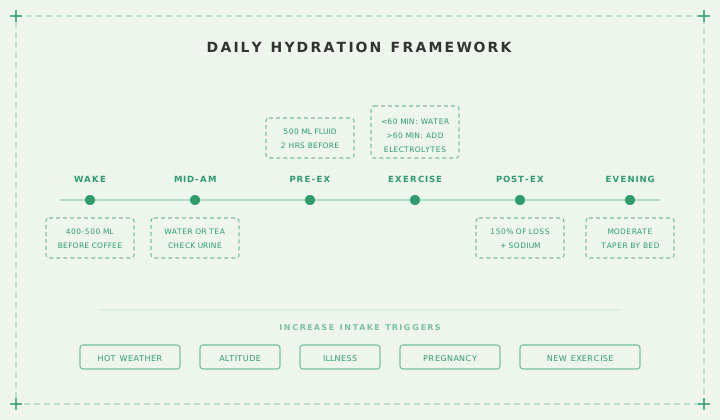
| Time of Day | Hydration Action | Why |
|---|---|---|
| On waking | 400 to 500 mL water before coffee | Replenish overnight losses |
| Mid-morning | Water or unsweetened tea, monitor urine color | Maintain baseline, adjust if dark |
| Pre-exercise (2 hrs before) | 400 to 500 mL fluid | Preload without urgency |
| During exercise (under 60 min) | Water to thirst | Avoid overdrinking |
| During exercise (over 60 min) | Electrolyte-containing beverage, to thirst | Prevent hyponatremia risk |
| Post-exercise | 150% of weight lost, ideally with sodium | Replenish losses fully |
| With meals | Water freely, no need to restrict | Digestion claim is myth |
| Evening | Moderate intake, reduce 1 to 2 hrs before bed | Balance hydration with sleep quality |
| Sick or febrile | Increase intake significantly, add electrolytes | Compensate for elevated losses |
| Hot weather or travel | Proactively increase, do not wait for thirst | Thirst lags demand in heat |
10Hydration is simple enough to fix first
We live in an era of extreme nutritional complexity. The discourse around food and health involves hundreds of variables, competing frameworks, contested studies, and an industry invested in convincing us that optimal health requires constant purchase. Hydration cuts through all of that with unusual clarity.
The evidence says: drink enough fluid each day, primarily as water, adjusted upward for your body size, activity level, and environment. Pay attention to your urine color. Eat a diet with meaningful quantities of fruits and vegetables. Do not overcomplicate the beverages. Coffee, tea, and milk all count, and none of them require a premium price tag. Know that the long-term stakes of getting this wrong are higher than most people understand, and that the cost of getting it right is essentially nothing.
In a world full of health interventions demanding sacrifice, expense, or willpower, adequate hydration may be the most undervalued and underutilized preventive tool we have. It does not require belief, supplementation, or a protocol. It requires only attention, and a glass of water close enough to reach.
Hydration status can be affected by medical conditions including kidney disease, heart failure, diabetes, and certain medications. Individuals with these conditions should consult a healthcare provider for personalized fluid intake guidance.
Footnotes
Dmitrieva NI, Boehm M, Yancey PH, Enhorning S. Long-term health outcomes associated with hydration status. Nat Rev Nephrol. 2024 May;20(5):275-294.
Back to textJequier E, Constant F. Water as an essential nutrient: the physiological basis of hydration. Eur J Clin Nutr. 2010;64(2):115-123.
Back to textZhang J, Zhang N, Lu J, Liu S, Lin Y, Ma G. Seasonal fluctuation of total water intake and hydration status among young men and women: a prospective cohort study. Front Nutr. 2025 Jan 30;11:1463501.
Back to textBack to text 2Harvard T.H. Chan School of Public Health, The Nutrition Source. How Much Water Do You Need? Updated 2025.
Back to textNational Academy of Medicine. Dietary Reference Intakes for Water, Potassium, Sodium, Chloride, and Sulfate. Washington, DC: National Academies Press; 2005.
Back to textZhang J et al. (2025). See reference 3.
Back to textBack to text 2Keefe MS, et al. The weight, urine colour and thirst Venn diagram is an accurate tool compared with urinary and blood markers for hydration assessment. Br J Nutr. 2024.
Back to textAdan A. Cognitive performance and dehydration. J Am Coll Nutr. 2012 Apr;31(2):71-78.
Back to textRosinger AY, et al. Ad libitum dehydration is associated with poorer performance on a sustained attention task. Am J Hum Biol. 2024 Jun;36(6):e24051.
Back to textKempton MJ, Ettinger U, Foster R, et al. Dehydration affects brain structure and function in healthy adolescents. Hum Brain Mapp. 2011;32(1):71-79. https://pubmed.ncbi.nlm.nih.gov/20336685/
Back to textRiebl SK, Davy BM. The Hydration Equation: Update on Water Balance and Cognitive Performance. ACSM Health Fit J. 2013 Nov;17(6):21-28.
Back to textDmitrieva NI, et al. (2024). See reference 1. Additional data: Armstrong LE, Bergeron MF, Munoz CX, Kavouras SA. Low daily water intake profile: is it a contributor to disease? Nutr Health. 2024;30:435-446.
Back to textBack to text 2Hakam N, Guzman Fuentes JL, Nabavizadeh B, et al. Outcomes in randomized clinical trials testing changes in daily water intake: a systematic review. JAMA Netw Open. 2024 Nov 4;7(11):e2447621.
Back to textApfelbaum J, et al. Importance of Electrolytes in Exercise Performance and Assessment Methodology After Heat Training: A Narrative Review. Appl Sci. 2024;14(22):10103.
Back to textMaughan RJ, Watson P, Cordery PA, et al. A randomized trial to assess the potential of different beverages to affect hydration status: development of a beverage hydration index. Am J Clin Nutr. 2016;103(3):717-723.
Back to textBack to text 2Sawka MN, Burke LM, Eichner ER, et al. American College of Sports Medicine position stand: exercise and fluid replacement. Med Sci Sports Exerc. 2007;39(2):377-390.
Back to textBack to text 2Clark WF, Sontrop JM, Huang SH, et al. Hydration and chronic kidney disease progression: a critical review of the evidence. Am J Nephrol. 2016;43(4):281-292.
Back to textCarroll HA, Ericson U, Ottosson F, et al. The association between water intake and future cardiometabolic disease outcomes in the Malmo Diet and Cancer cardiovascular cohort. PLoS ONE. 2024;19(1):e0296778.
Back to textBoyd-Shiwarski CR, Ray E, et al. The impact of a commercial electrolyte beverage on the hydration status of active men and women. Nutrients. 2025 Feb 5;17(3):585.
Back to textKalra S, Kapoor N, Sharma S. Beverage hydration index. J Renal Nutr Metab. 2024;9(1):43-45. https://journals.lww.com/jrnm/fulltext/2024/01000/beveragehydrationindex.9.aspx
Back to text