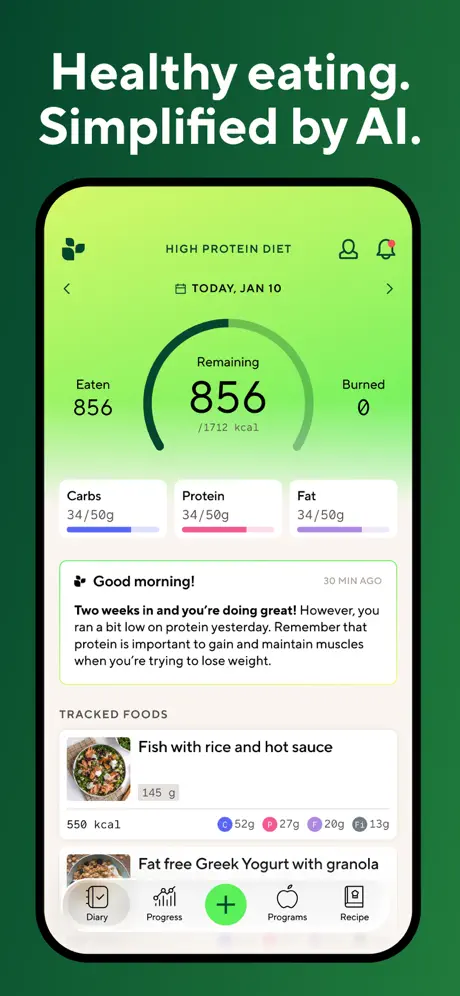
Lifesum is a Swedish digital health app founded in Stockholm in 2013 by Henrik Torstensson, Tove Westlund, Marcus Gners, and Martin Wählby, and it has grown to roughly 65 million users worldwide on the strength of clean visual design, structured diet plans, and a weekly Life Score that gamifies nutrition habits. For most of the last decade Lifesum competed with MyFitnessPal and Yazio as a polished mid-market calorie counter aimed at beginners who wanted a guided plan rather than raw macro math.
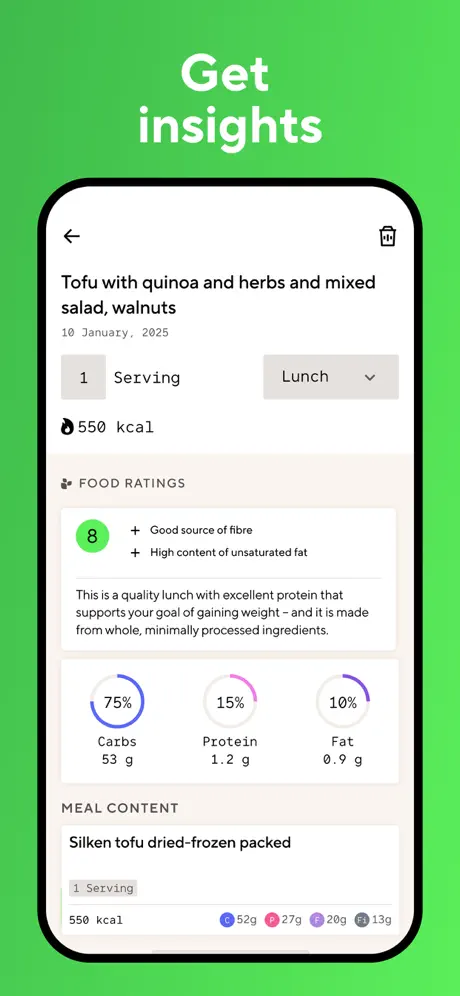
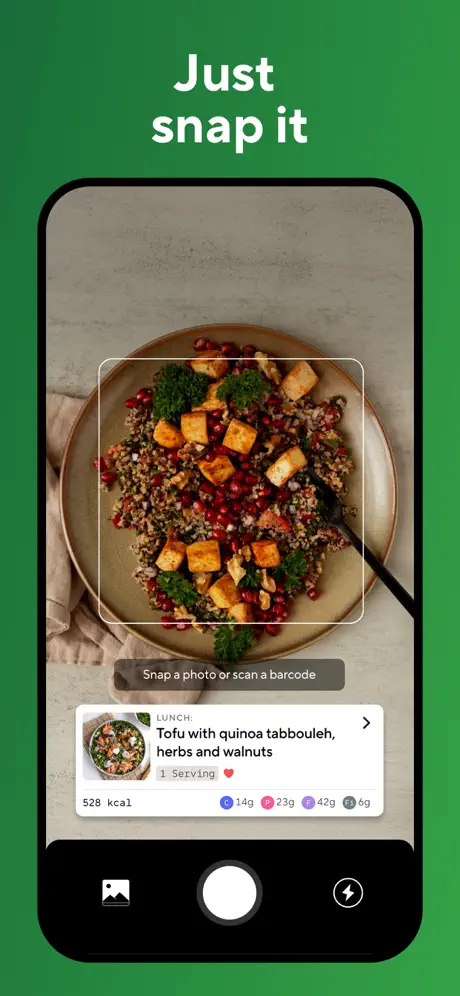
The February 2025 launch of Lifesum's multimodal AI tracker, marketed as a world-first photo, voice, text, and barcode logging interface, has dominated 2025 and 2026 App Store reviews for the wrong reasons. Users report cashews identified as shrimp, coffee added to a log when a mug sits in the background of a meal photo, barcode scans that double or triple a product's calories, forced logouts on app reopen, and Apple Health sync failures after updates. The structured per-meal flow that long-term users built habits around was replaced by a flat AI input, and the corrective workflows that made the old version trustworthy were stripped down in the process.
01Diet plans
The diet library is one of Lifesum's strongest assets and the main reason Premium has historically been worth its price for beginners. The catalog includes 15 or more plans covering Ketogenic Easy, Ketogenic Medium, and Ketogenic Strict, plus Keto Burn and Keto Maintain meal plans, the Mediterranean diet, the Scandinavian diet built around oily fish, rye, leafy greens, berries, and low-fat dairy, Clean Eating, the 5:2 fasting protocol of two fast days a week, the gentler 6:1 variant, 16:8 morning and evening windows, vegan, paleo, high-protein, and the catch-all Lifesum Standard. Each plan adjusts macro splits, meal ratings, and recipe recommendations rather than only changing the calorie target.
02Life Score
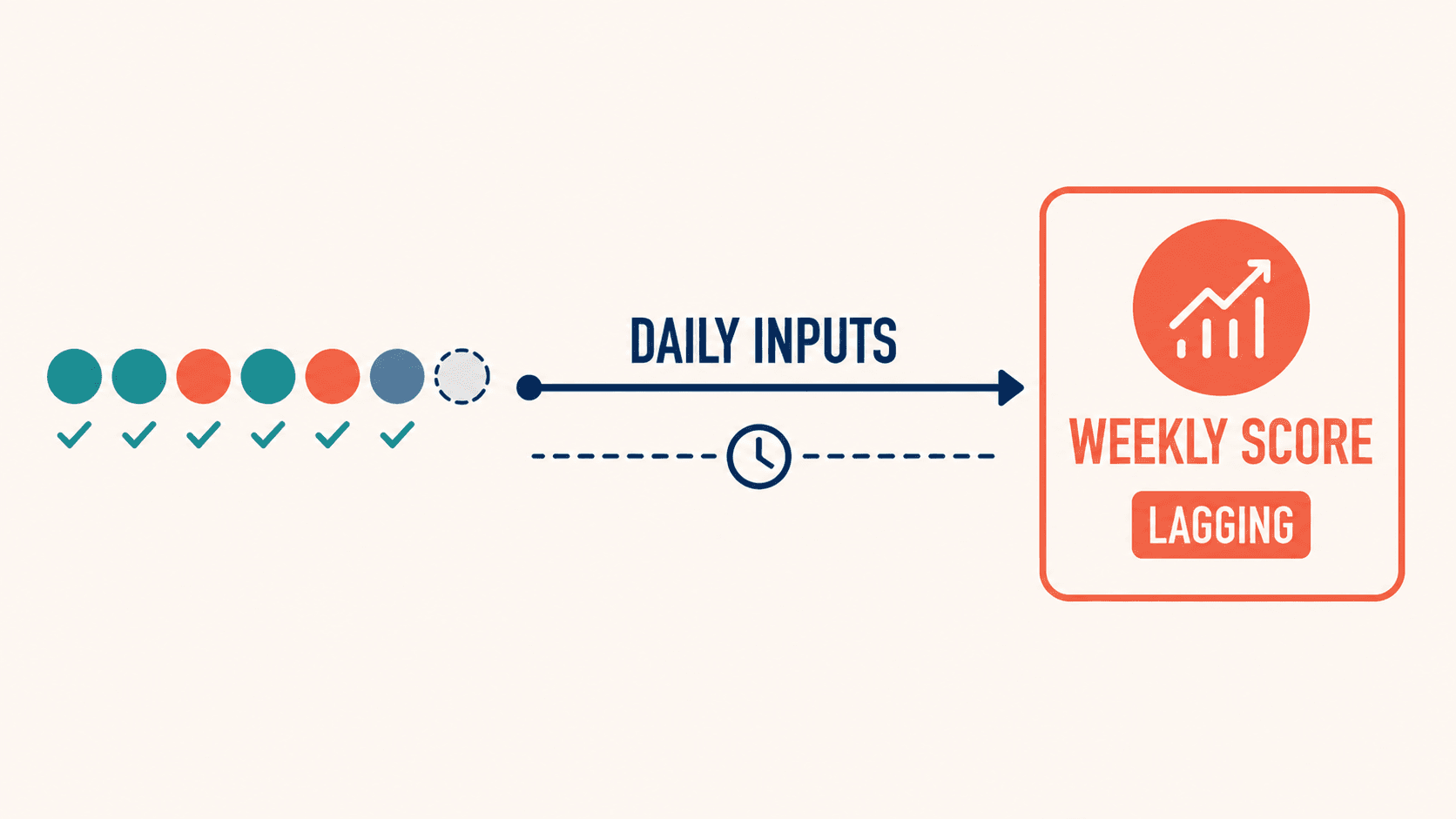
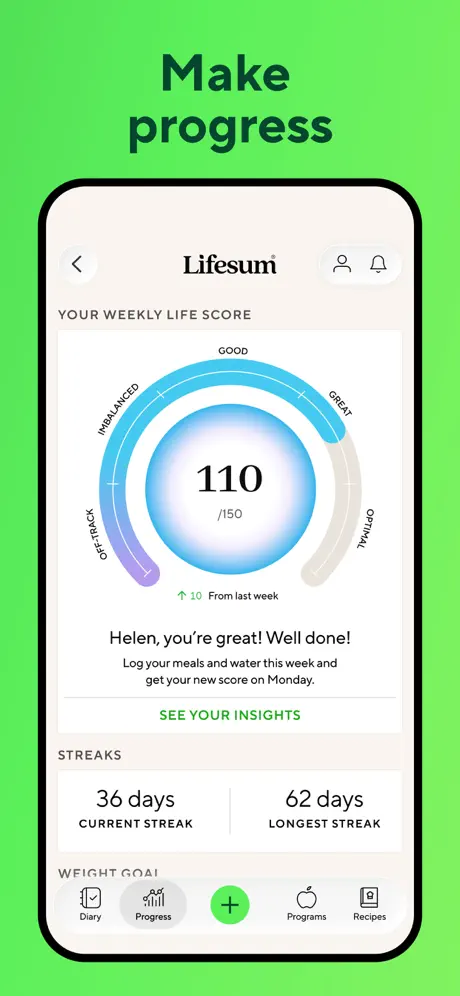
Life Score is Lifesum's signature metric and the closest analog to a daily health score in this category. It is a 0 to 150 scale segmented into Off-Track, Imbalanced, Good, Great, and Optimal bands, with Optimal sitting at 120 to 150. The initial score is seeded from a 41-question Health Test that surveys eating habits, hydration, sleep, training routine, and lifestyle context. Once seeded, the score recalculates each Monday from 16 nutrition and exercise metrics over the prior week. The cadence is the trade-off. Life Score reflects last week's behavior rather than today's, which makes it a retrospective scoreboard rather than a live coaching signal.
03Database accuracy
Independent testing by Calorie Trackers measured Lifesum's calorie reporting at roughly 6.5% deviation from laboratory measurements, with 22 tracked nutrients and approximately 2 million food entries in the database. That places Lifesum behind MyFitnessPal on raw coverage and behind Cronometer on micronutrient depth and verification. Coverage is adequate for common grocery items and US restaurant chains and weaker on regional specialties, and crowd-sourced entries vary in quality with limited verification.
042026 AI failures
The 2025-2026 App Store and Google Play review streams are unusually consistent on the regressions. The most cited failures are photo misidentification including cashews logged as shrimp and phantom coffee from a mug in frame, barcode scans that return double or triple the correct calories for the same product, AI text logging described as "not always accurate" with the previous correction workflows removed, paying subscribers being unable to add foods or save private diet menu items, and the app logging users out on reopen so a streak or daily plan disappears mid-week. NutritionInsight's coverage of the multimodal launch and Athletech News frame the rollout as a strategic bet on AI-first logging, and the post-launch user reception has been the cost.
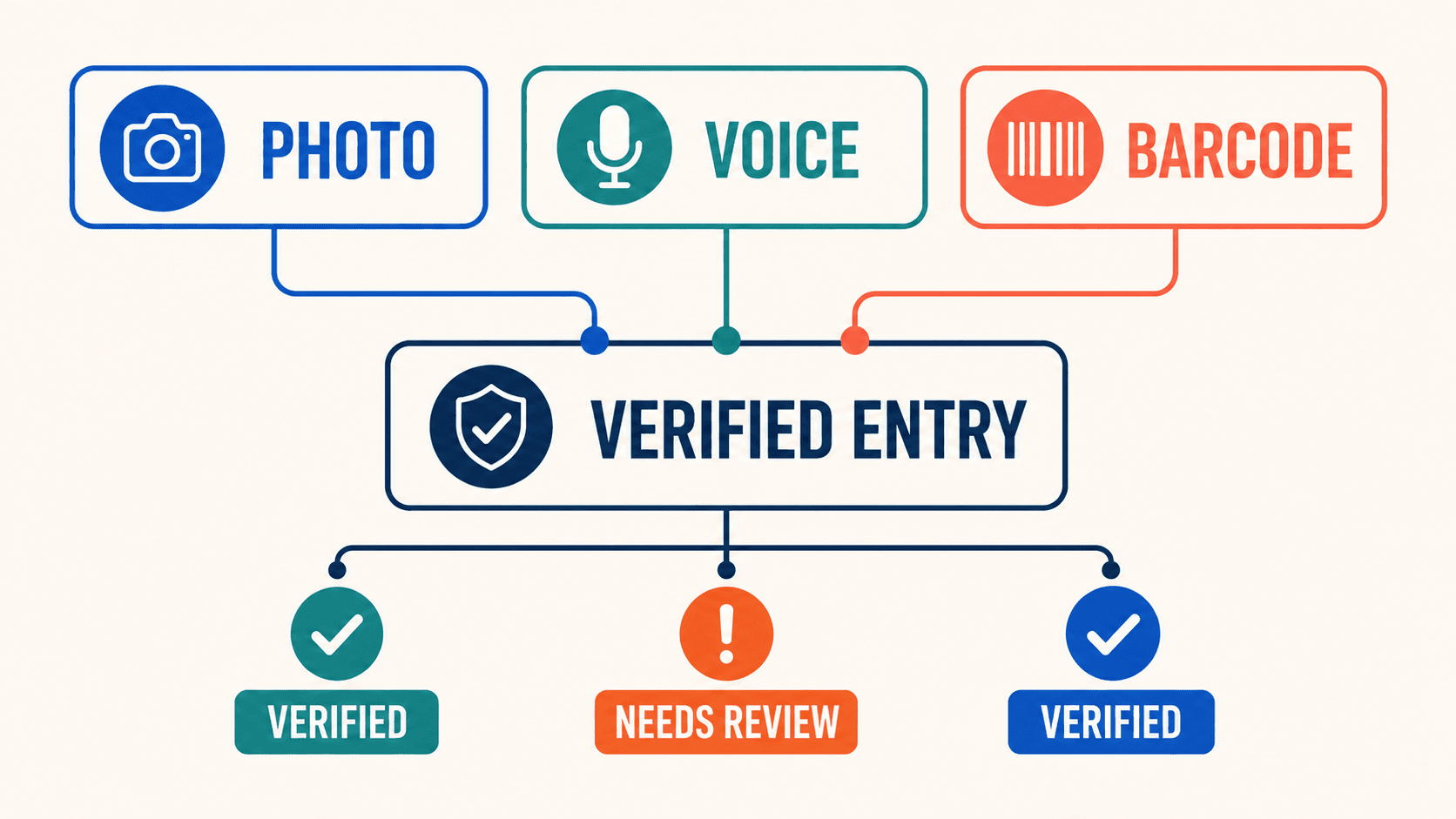
The review checkpoint is where misidentifications, duplicate scans, and failed corrections should be caught; the reported failures show what happens when it is not.
05Pricing
Lifesum Premium runs $7.49 to $14.99 per month depending on region and platform, $29.99 for a 3-month plan as a list price, and $99.99 per year as the list annual price that is frequently discounted to $30.99 to $45 during promotional windows. Lifesum has removed monthly subscriptions in some markets including the United States in favor of the 3-month and annual plans. There is no universal free trial, no family plan in most regions, and cancellation must be completed through the original payment platform before the renewal date. The free tier covers barcode scanning and basic calorie counting, while the 15-plus diet plans, Life Score, recipe library, and meal plans require Premium.
06Integrations
Lifesum syncs with Apple Health, Fitbit, Samsung Health, Health Connect on Android, Apple Watch, and WearOS for steps, exercise minutes, calories burned, and body weight. Garmin support on iOS works through an Apple Health bridge rather than a direct integration, so Garmin workouts and activity data flow into Apple Health first and then into Lifesum from there. Withings and Google Assistant are also supported. The integrations cover the basics for fitness sync but do not extend to continuous glucose monitors or laboratory data feeds.
07Billing friction and support quality
Trustpilot and the App Store both surface a steady volume of billing complaints. The most common are auto-renewal disputes where users believed they had cancelled, PayPal subscriptions that continued to charge past an in-app cancellation, and difficulty locating the cancellation flow because the in-app path leads to a pause option rather than a full cancel. Lifesum's refund policy provides a 14-day window from the subscription confirmation email, and PayPal purchases require emailing contact@lifesum.com with the receipt or Purchase ID rather than self-service through the app.
08Sources for this review
- App Store reviews
- Lifesum Help Center on Life Score
- Calorie Trackers review with accuracy testing
- FeastGood on Lifesum integrations
- NutriScan pricing breakdown
09Who should choose Lifesum
Lifesum is a well-designed Stockholm calorie tracker that broke the part of its product its most engaged users valued, and the 2025 multimodal AI pivot has produced the most consistent regression complaints the app has ever seen.
Lifesum is best for design-conscious beginners following one of the structured diet plans like Mediterranean, Scandinavian, or 5:2 fasting, who want a clean weekly Life Score scoreboard and visual motivation, who do not need clinical-grade micronutrient accuracy, and who are willing to accept the database deviation and AI quirks in exchange for the polished diet content. Users who fit that description still find real value in the recipe library and the diet plan structure.
Fuel is built for the opposite end of the market, the Apple user who wants the best AI in food logging combined with daily and weekly coaching that Lifesum's weekly Life Score does not attempt. Fuel lets you photograph a meal or a label, describe it in voice or text, and correct the result with natural-language correction until it matches what you actually ate, with meal structure and per-meal calorie visibility preserved rather than flattened. A real coach checks in throughout the day rather than waiting until Monday, the live daily health score breaks down five dimensions of pacing across calories, macro quality, micronutrients, limits, and movement, the morning recap tells you how yesterday landed, and the in-depth weekly review delivers an explicit action plan for the week ahead. Deep Apple ecosystem integration covers Apple Health, Apple Watch, and on-device privacy, so the data stays where it belongs while the AI does the work Lifesum was trying to do.