CAVA reads as the healthy default in a strip-mall lineup that mostly is not. The store gives you grilled protein, lentils, greens, and olive oil instead of breaded chicken and a cheese pull. That framing is what hides the actual math. The official curated bowls run from a 580 kcal Greek Salad Bowl to an 860 kcal Falafel Crunch with more than 2,000 mg of sodium, and the build-your-own ceiling on the Grains Bowl reaches 1,330 kcal per CAVA's own menu page.1 The choice of base, protein, sauce, and side decides whether a CAVA lunch is a clean recomp meal or a 900 kcal fat-and-sodium event with a salad halo.
This page ranks CAVA orders against the goal you are eating for today rather than against a generic "healthy" label. Fuel is not partnered with CAVA, none of the rankings below were reviewed or compensated, and the numbers are pulled from CAVA's published nutrition guide.21 Treat them as the best public anchor available, not as a guarantee for any single store visit.
01Best CAVA orders by goal
These are sums of CAVA's published portions, checked September 8, 2026. Each ingredient is one full portion unless half or double is stated. Totals exclude unlisted toppings, dressing, drinks, and sides. Half-portions assume half the published weight; actual scoops will vary.2
| Goal | Exact custom order | kcal | Protein | Carbs | Fat | Sodium |
|---|---|---|---|---|---|---|
| Higher-protein lunch under 600 kcal | SuperGreens, double Grilled Chicken, Tomato + Onion, Tzatziki | 585 | 61 g | 15 g | 30.5 g | 1,560 mg |
| Recomp lunch | Half SuperGreens, half Black Lentils, Grilled Chicken, Crazy Feta, Lemon Herb Tahini | ~543 | ~44.5 g | ~29.5 g | ~28.8 g | ~1,318 mg |
| Higher-calorie lunch | Brown Rice, double Grilled Steak, Hummus, Harissa, Side Pita | 850 | 59 g | 73 g | 38 g | 1,850 mg |
| More carbohydrate for training | Saffron Basmati Rice, Grilled Chicken, Tzatziki, Hot Harissa Vinaigrette | 640 | 35 g | 59 g | 29.5 g | 1,770 mg |
| Smaller lunch | SuperGreens, Grilled Chicken, Tzatziki, Lemon Herb Tahini | 385 | 35 g | 14 g | 22 g | 905 mg |
| Lower-sodium option among these builds | SuperGreens, Grilled Steak, Tzatziki | 235 | 28 g | 8 g | 12 g | 375 mg |
The Greek Salad Bowl is the lowest-calorie curated bowl in the cited guide, at 580 kcal and 37 g protein. It is not the highest-protein curated bowl: Spicy Lamb + Avocado has 43 g, Harissa Avocado 41 g, and Chicken + Rice 40 g. Greek Salad also contains 1,810 mg sodium; lower calories do not imply lower sodium.2
02How to read CAVA macros
A CAVA order is several decisions stacked on top of each other. Base, protein, toppings and dips, dressing or sauce, plus an optional side of pita or chips. CAVA's nutrition guide publishes per-portion values for each component and for the curated bowls.2 Once you can read it, the menu stops being a long list and becomes a small set of swaps.
The base sets the calorie floor and most of the carbohydrate. Saffron Basmati Rice and Brown Rice are each in the 290 to 310 kcal range with about 770 mg of sodium per portion before sauce. Black Lentils run 270 kcal with 18 g of protein and 15 g of fiber, which is the cheapest protein and fiber upgrade on the menu. SuperGreens are 35 kcal and 35 mg of sodium. Picking SuperGreens or a half-and-half greens-and-lentils base instead of a full rice scoop is usually the single largest lever on the order.2
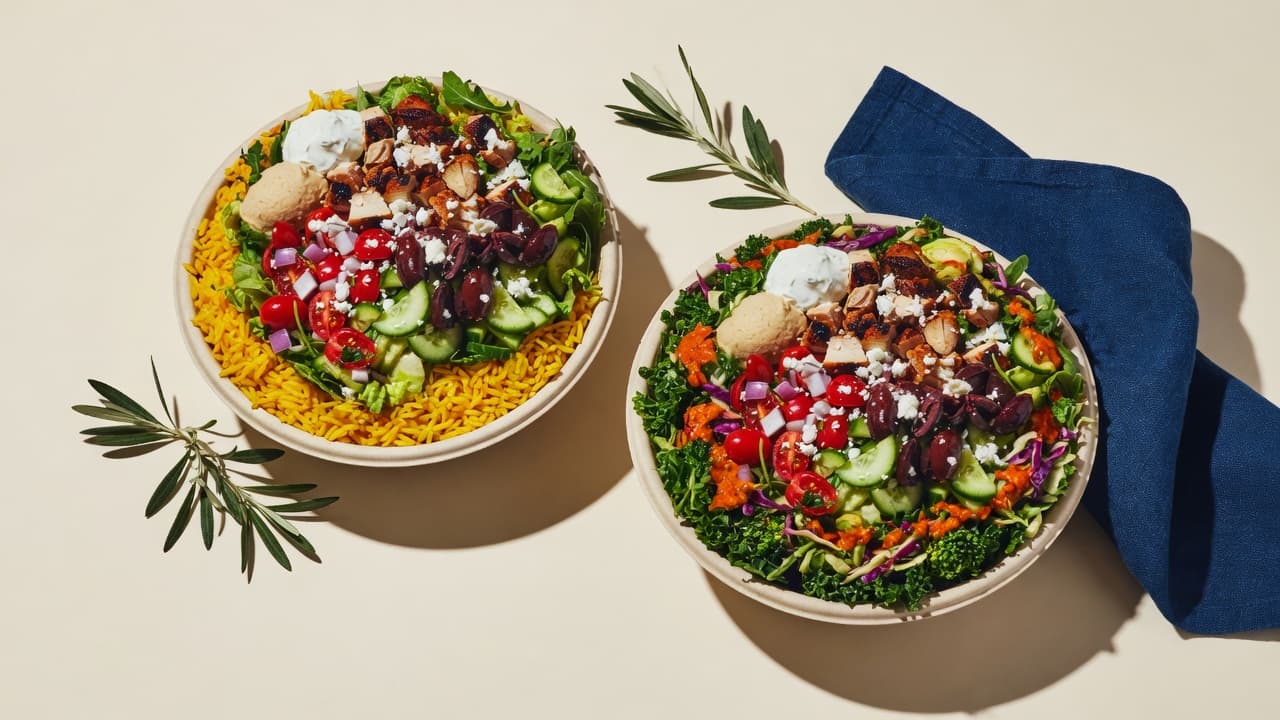
Count the base and toppings as well as the protein scoop. Grilled Chicken delivers 28 g, Harissa Honey Chicken 26 g, Grilled Steak 23 g, Falafel only 6 g per portion.2 A single chicken scoop plus lentils can reach a substantial meal protein target; double meat is an option, not a requirement.2
Toppings carry the hidden fat and sodium. Crazy Feta is 70 kcal and 230 mg of sodium. Hummus is 50 kcal. The guide lists Pita Crisps at 70 kcal, but its fat figure is internally inconsistent with those calories; confirm the current serving before using that row for precise macros. Avocado is 110 kcal and 10 g of fat per portion. The four-topping default order can quietly add 300 kcal of fat-dominant calories on top of a bowl that already has olive oil and sauce.2
Sauce is the most asymmetric decision on the menu. Garlic Dressing is 180 kcal and 20 g of fat per portion. Greek Vinaigrette is 130 kcal and 14 g of fat. Hot Harissa Vinaigrette is 70 kcal and 7 g of fat. Tzatziki and Yogurt Dill are 30 kcal for 2 g of protein. Lemon Herb Tahini is 70 kcal with 2 g of fiber. The dressing-versus-tzatziki swap moves a bowl by roughly 100 to 150 kcal and 12 to 17 g of fat for no protein change.2
Sides are the third silent line. A Side Pita is 80 kcal. A Whole Pita is 320 kcal with 54 g of carbohydrate and 700 mg of sodium. Classic Pita Chips are 280 kcal for 41 g of carbohydrate and only 10 g of protein, and the Sumac Sour Cream + Onion variant is 290 kcal. None of those have to come home in the bag.2
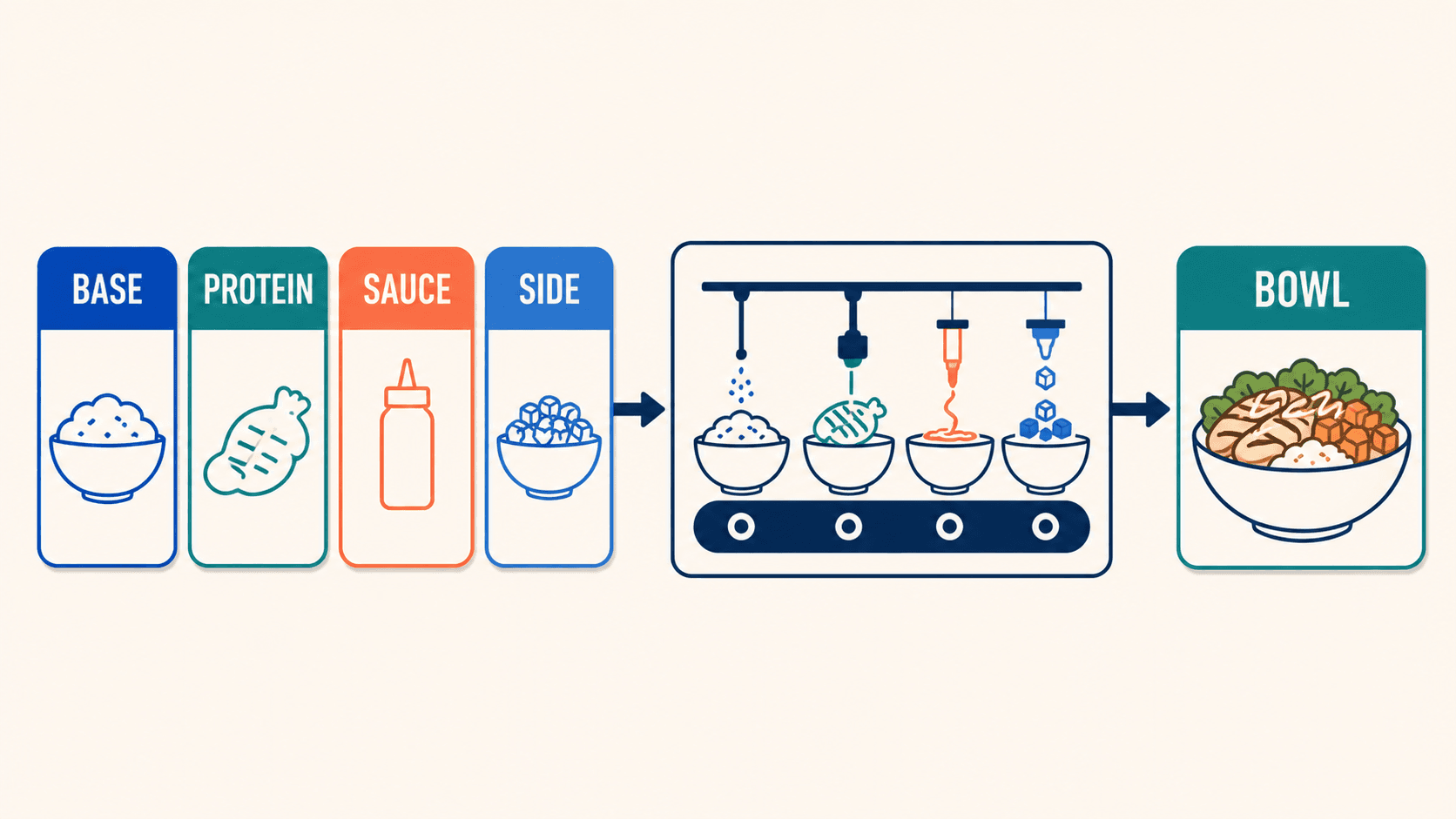
The CAVA menu page itself lists the build-your-own ranges. Greens + Grains run 310 to 1,190 Cal, the Grains Bowl runs 435 to 1,330 Cal, and a Salad Bowl can sit anywhere from 185 to 1,055 Cal.1 A 1,190 Cal and a 310 Cal bowl carry the same menu name. The decision tree below is how you choose which end of the range you land on.
03CAVA cut bowls under 600kcal with double chicken
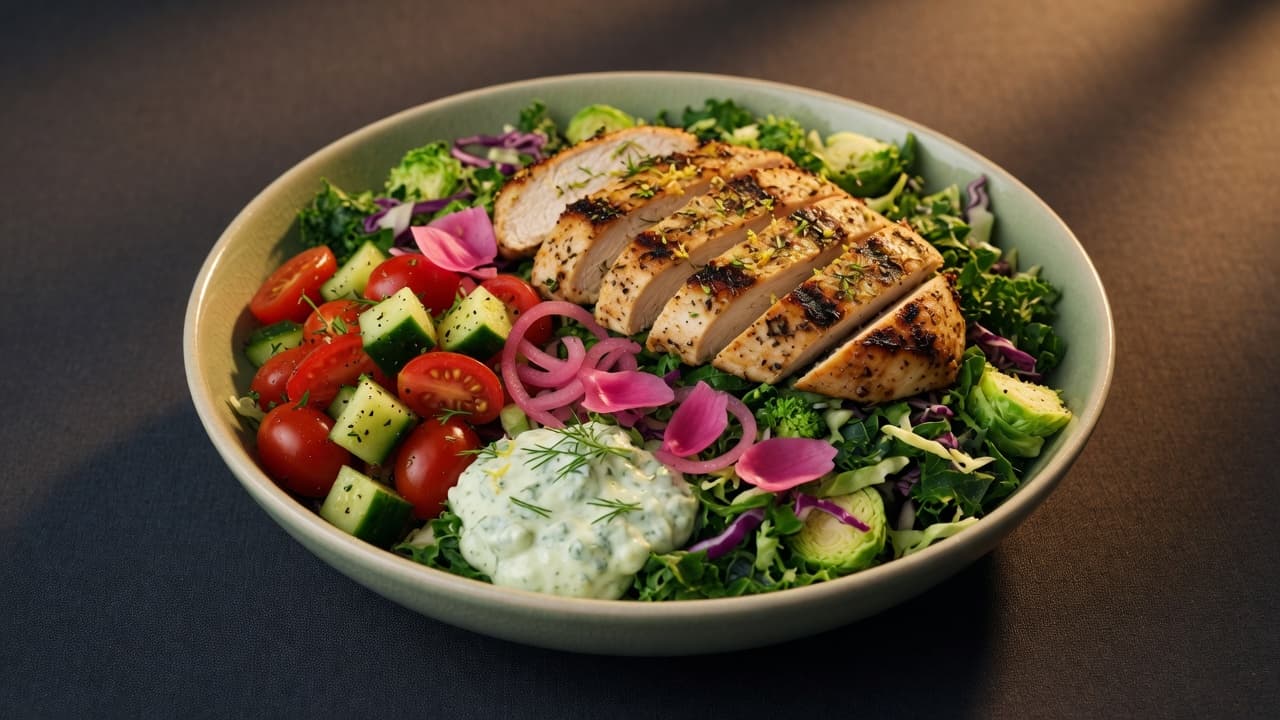
The cut version of CAVA stops being a sit-down meal and starts being a high-protein salad with one olive-oil unit attached. A SuperGreens base costs you 35 kcal and 35 mg of sodium and protects the rest of the budget for a double protein.2 Double Grilled Chicken is 500 kcal for 56 g of protein and 1,340 mg of sodium. A Tzatziki scoop is 30 kcal and adds moisture without burning the fat budget. Lemon and the included vegetable toppings finish the bowl. No pita, no chips, no Greek Vinaigrette.
That order lands near 585 kcal with about 61 g of protein and roughly 1,560 mg of sodium if you include tomato and onion. That is one strong protein pulse against the per-meal range the ISSN supports for active adults, and it leaves room for breakfast and dinner inside a 1,800 to 2,200 kcal cutting day.42
If you want a curated option that still works on a cut, the Greek Salad Bowl at 580 kcal with 37 g of protein is the cleanest published bowl on the page, with the sodium caveat noted above.2 The Steak + Harissa Bowl at 620 kcal, 37 g of protein, and 1,830 mg of sodium is the next closest calorie-protein tradeoff, and it still sits behind Falafel Crunch and Harissa Avocado on sodium. The cut decision is usually between Greek Salad Bowl as a default and a custom SuperGreens build when sodium has to come down.2
For the whole-day picture around restaurant choices like this one, restaurant, takeout, and travel macro tracking is the page that explains how to size the rest of the day around a single fast-casual lunch.
04CAVA recomp bowls for dense protein at flat calories
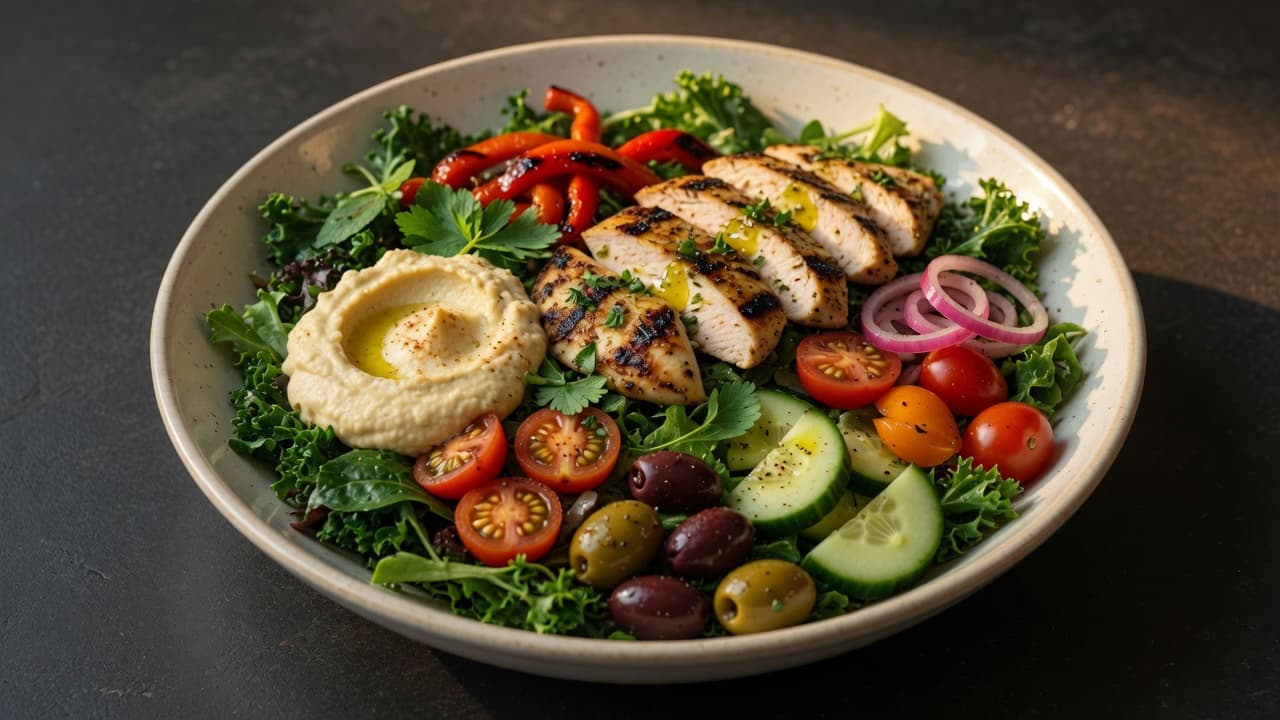
Recomp wants protein density without the calorie shave that a strict cut requires. Half SuperGreens and half Black Lentils gives you ~150 kcal of base with ~10.5 g of protein and ~9.5 g of fiber before any protein scoop. Add one Grilled Chicken (250 kcal, 28 g protein), Crazy Feta (70 kcal, 4 g protein), and Lemon Herb Tahini (70 kcal, 6 g fat) and the bowl lands near 545 kcal with about 45 g of protein.2
The Steak + Harissa Bowl shows the closest current curated version of this build, with 620 kcal and 37 g of protein.2 Adding a second steak scoop pushes that to roughly 790 kcal and ~60 g protein, which is the recomp shape most lifters are looking for in a one-bowl lunch.
The recomp swap that fails is leaving Garlic Dressing on the bowl, because that single sauce decision adds 180 kcal and 20 g of fat without moving protein at all.2 On a flat-calorie recomp week, that 180 kcal is a meaningful change in the meal total; the effect on weight depends on the whole week. The same fat-budget logic shows up in macro meal planning for weight loss on the home-cooking side.
05CAVA bulk bowls with rice pita and double protein
Pita can fit any goal when its portion fits the day; a higher-calorie meal leaves more room for it. Brown Rice (310 kcal, 48 g carbs, 7 g protein) or Saffron Basmati (290 kcal, 54 g carbs) is a useful starch. Double Grilled Steak (340 kcal, 46 g protein) or double Harissa Honey Chicken (520 kcal, 52 g protein) carries the protein. Hummus, harissa, and a side pita add another ~200 kcal of carbohydrate and fat with 6 g of protein. The Brown Rice version lands near 850 to 1,030 kcal with 59 to 65 g of protein before extra toppings.2
The mistake on a bulk order is treating Falafel as the primary protein. Three falafel run 350 kcal, 26 g of fat, and only 6 g of protein per CAVA's guide.2 A bowl built on falafel can clear 860 kcal with 24 g of protein, which is the Falafel Crunch Bowl in published form.2 On a lean-bulk day the protein-to-calorie ratio is the load-bearing number, and a falafel-first bowl is the lowest ratio on the menu.
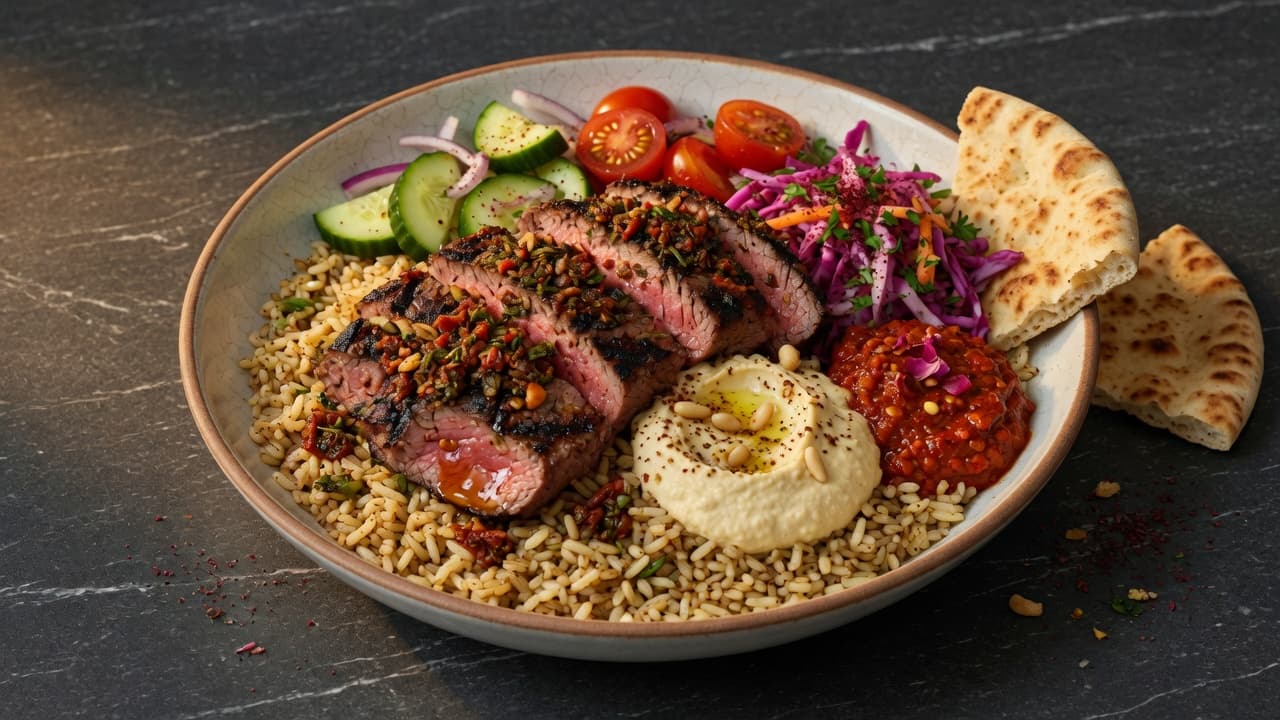
The other bulk option worth running is double protein on a curated bowl. Chicken + Rice at 700 kcal and 40 g of protein in stock form moves to roughly 950 kcal and ~68 g protein with a second chicken scoop.2
06CAVA training-day bowls with rice and recovery protein
Performance eating around training is a different problem from cut or bulk. The order should bias carbohydrate toward the session and protein toward recovery, not toward a salad logic that survives a sedentary day but undercuts a hard lift or a long run.
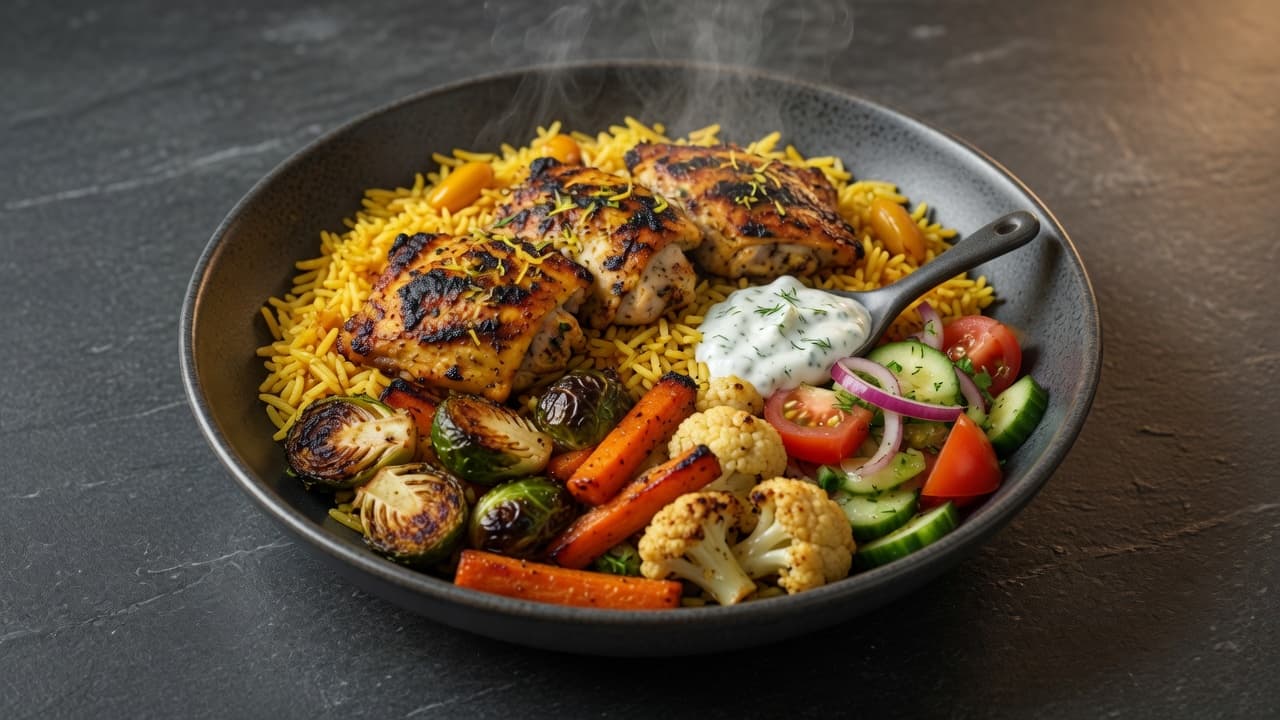
A useful CAVA performance build is Saffron Basmati Rice, Grilled Chicken, tzatziki, and Hot Harissa Vinaigrette. That is about 640 kcal with 35 g of protein, 59 g of carbohydrate, and roughly 1,770 mg of sodium.2 Add roasted vegetables only when the day's sodium budget can absorb another 600 mg. With them, the bowl lands near 740 kcal, 38 g protein, and 2,370 mg sodium.2 On a long-session day, that sodium load may fit. On a low-activity recovery day, it is the line you cross by accident.
The Chicken + Rice Bowl at 700 kcal and 40 g of protein is essentially the curated version of that idea.2 The Steak + Harissa Bowl trades carbohydrate for fat (39 g carbs versus 44 g) and works better as a post-session meal than as a pre-session one.2
A note on glycogen. A higher-carb meal stores muscle and liver glycogen with water, which is the right outcome around training and the wrong outcome the morning of a weigh-in. Read scale movement after a CAVA lunch with that context in mind, the same way you would after any rice-and-sauce meal.
07Low-appetite CAVA bowls for GLP-1 users
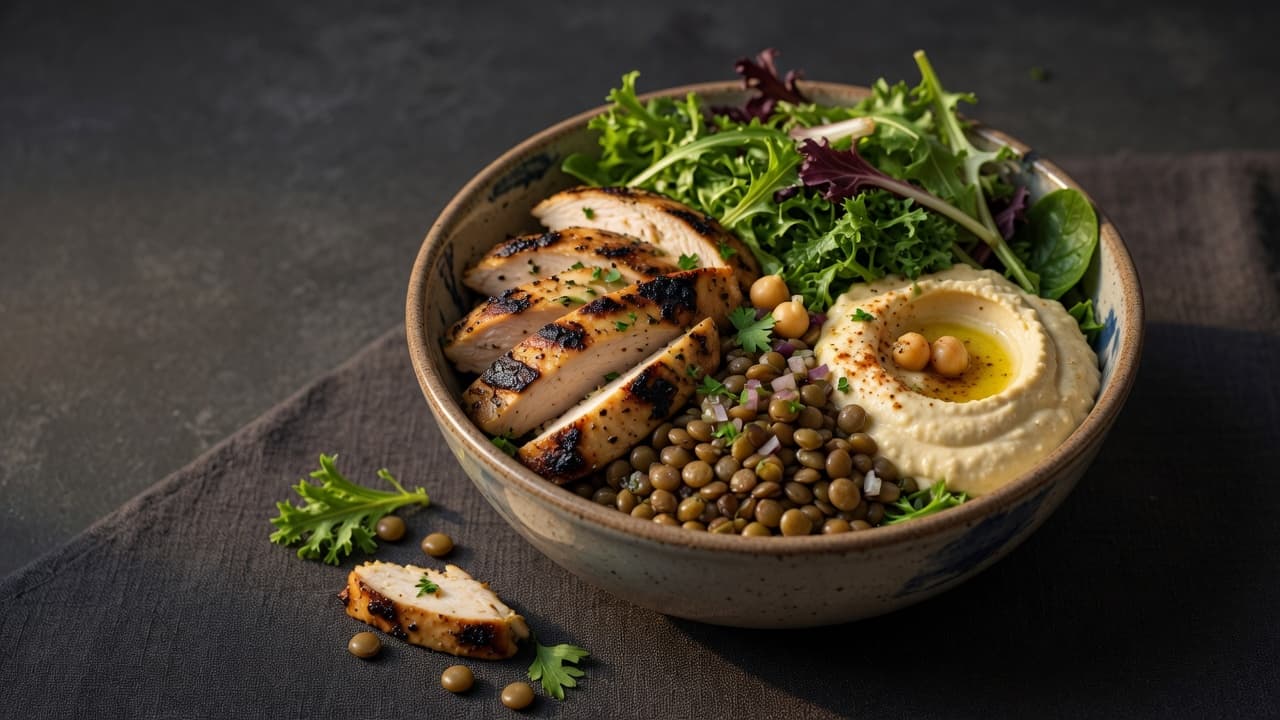
GLP-1 receptor agonists change the eating problem from "how do I stop" to "how do I finish enough protein before I am done." CAVA is a friendlier fit than most fast-casual chains for users on a GLP-1 receptor agonist because grilled protein, sauce moisture, and greens can deliver 30 g of protein in roughly 400 kcal of total food.2 Whether that portion is comfortable depends on individual appetite and symptoms.
The GLP-1 order that works is SuperGreens, one Grilled Chicken scoop, Tzatziki for moisture, and Lemon Herb Tahini for fat. That lands near 385 kcal with 35 g of protein.2 If you can tolerate more volume, swapping half the greens for black lentils pushes the bowl to about 503 kcal and 42.5 g protein. Skip the Whole Pita and the pita chips. Keep sides separate so you can eat the portion that is comfortable when satiety arrives early.
The order that fails on a GLP-1 day is the Falafel Crunch or any bowl built around a Whole Pita. The Falafel Crunch Bowl carries 860 kcal and 2,210 mg of sodium for 24 g of protein, and the volume is what stops a low-appetite user from finishing the protein at the bottom of the container.2 A smaller bowl with a higher protein-to-volume ratio is the structural fix.
For the muscle-preservation side of the GLP-1 picture, including how protein distribution interacts with appetite suppression, the GLP-1 protein guide is the page to pair with this one.
08Sauce, pita, and chips traps
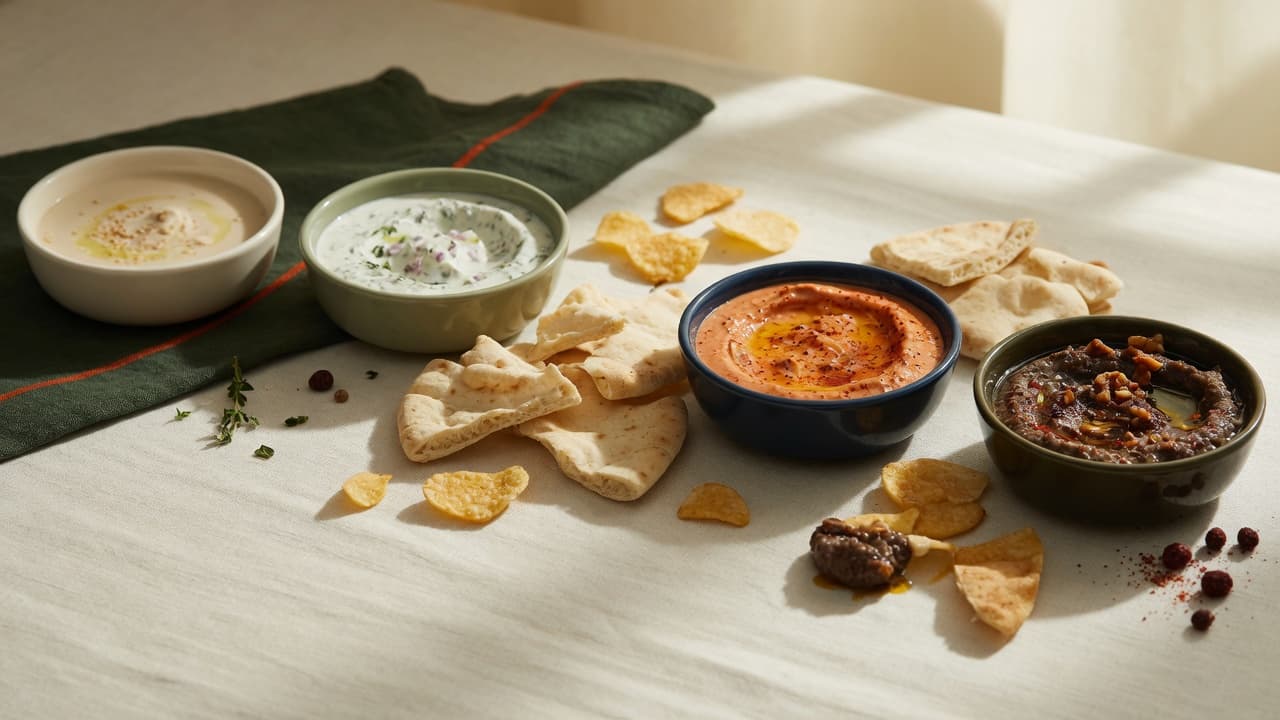
The sauce decision is the single biggest hidden lever on a CAVA order. The pita and the chips side is the second. The table below is the order-day version of the math.
| Add-on | Calories | Fat | Sodium | Protein | Default verdict |
|---|---|---|---|---|---|
| Garlic Dressing | 180 | 20 g | 90 mg | 0 g | Skip on cut and recomp, fine on a bulk day |
| Greek Vinaigrette | 130 | 14 g | 230 mg | 0 g | Use sparingly, ask for half |
| Hot Harissa Vinaigrette | 70 | 7 g | 270 mg | 0 g | Reasonable on most days |
| Lemon Herb Tahini | 70 | 6 g | 140 mg | 2 g | Good fat moisture without large sodium hit |
| Tzatziki | 30 | 2.5 g | 60 mg | 2 g | Default sauce for cut and GLP-1 bowls |
| Yogurt Dill | 30 | 2 g | 190 mg | 2 g | Tied with tzatziki on calories, more sodium |
| Hummus topping | 50 | 2.5 g | 90 mg | 2 g | Fine on any goal, useful fiber |
| Crazy Feta topping | 70 | 6 g | 230 mg | 4 g | Cheapest topping for a protein bump |
| Harissa topping | 70 | 6 g | 250 mg | 1 g | Flavor, watch the sodium stack |
| Avocado topping | 110 | 10 g | 0 mg | 1 g | Free sodium, costly fat |
| Roasted Vegetables | 100 | 4.5 g | 600 mg | 3 g | Useful, but it is the sodium item most people forget about |
| Side Pita | 80 | 1.5 g | 180 mg | 3 g | Acceptable on most goals |
| Whole Pita | 320 | 6 g | 700 mg | 13 g | Bulk only, otherwise it is a third of a day's sodium |
| Pita Chips | 280 | 8 g | 630 mg | 10 g | Skip on cut, recomp, and GLP-1 |
| Sumac Sour Cream + Onion Pita Chips | 290 | 9 g | 740 mg | 10 g | Same shape, higher sodium |
The Greek Salad Bowl sodium number is the one that surprises most readers. At 1,810 mg it is the same sodium load as the Chicken + Rice Bowl, despite reading like the lightest item on the menu.2 If sodium is the limiting variable for the day, the order has to come down from the toppings and sauce, not from the calorie count.
The FDA Daily Value for sodium is 2,300 mg/day for an average healthy adult.3 One CAVA bowl can spend 70 to 95% of that, which is the part of the meal that no one orders against.
09How to log a CAVA bowl in Fuel
Fuel's Eat Out feature lets you scan a CAVA menu and rank items against the calories and macros you have left, with the same caveats restaurant nutrition data always carries.5 The logging side is its own problem, and the rules below are the ones that hold up across visits.
Use the official curated bowl when you ordered one. The Chicken + Rice Bowl, Steak + Harissa Bowl, Harissa Avocado Bowl, Greek Salad Bowl, Falafel Crunch, Salmon + Yogurt Dill, Salmon + Strawberry Sesame, and Spicy Lamb + Avocado Bowl all have published per-serving values you can save as a custom entry and reuse.2 CAVA can change recipes, so re-verify the saved entry against the current PDF every few months.
For a build-your-own order, log the components. Pick the base, the protein scoop, each topping you actually accepted, the dressing or sauce, and any side. CAVA publishes per-portion values for every line in the build, so a custom bowl is a small sum rather than a guess.2 Save the bowl you order most often as a single Fuel entry once you have built it twice.
Add a small upward adjustment for double sauce or a heavy server pour. A line worker who hands you two scoops of garlic dressing instead of one is adding ~180 kcal and 20 g of fat that the saved entry does not show. The same drift logic from food database accuracy applies here. Adjust the specific component when you can identify an extra portion; a universal calorie buffer can double-count sauce already included in the entry.
Read sodium as scale noise on the next morning, not as fat gain. A 1,800 to 2,200 mg sodium lunch can hold water through the next morning weigh-in, especially if it is paired with a higher-carb base like rice or pita. Reading a single Tuesday weight after a Monday CAVA bowl is the wrong measurement window. The trend line over 7 to 14 days is the right one.
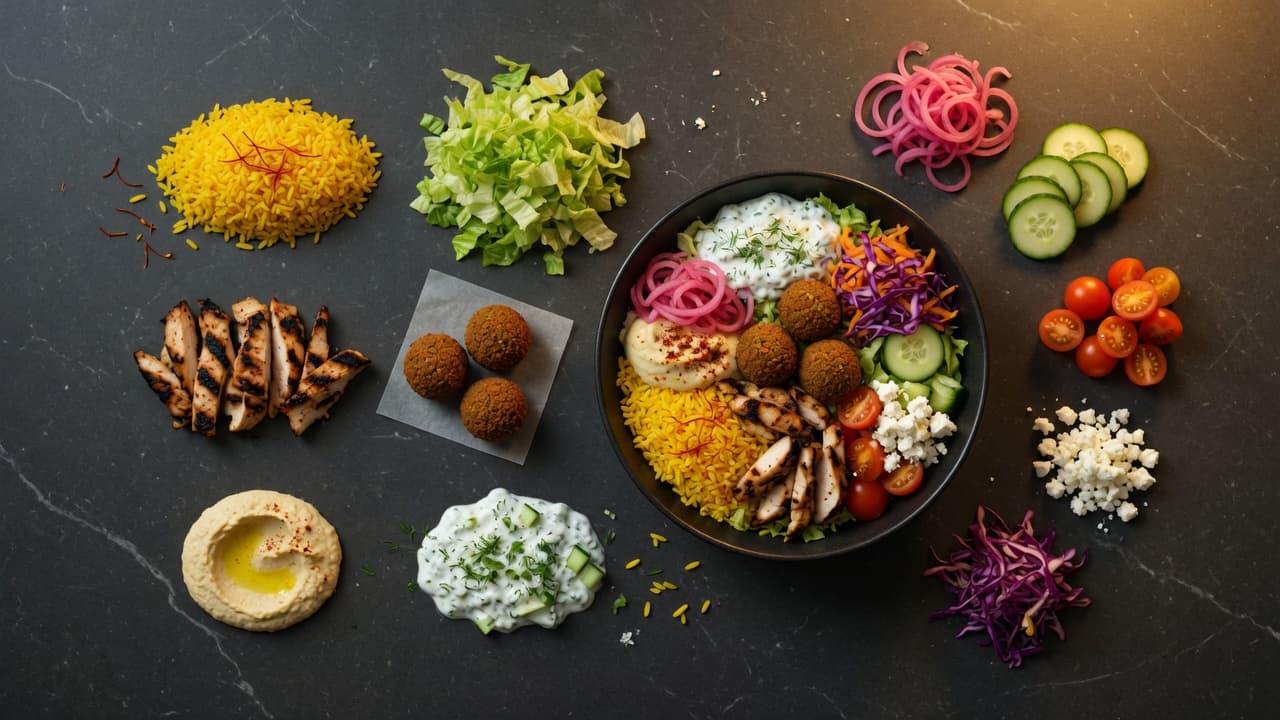
Use Eat Out when you are choosing the order in the moment, especially when calories left in the day are tight and you want a fast read of which bowl fits.5 Fuel cannot promise exact restaurant numbers, so use the recommendation as guidance rather than as a substitute for logging the bowl after you order.
10Choose CAVA from remaining calories and protein needs
If your remaining calories are below 600 and you still need protein, default to SuperGreens, double a grilled protein, take tzatziki, and skip every pita and chip option on the menu. If you have 800 to 1,100 kcal available and a session in the next four hours, run rice with a grilled protein, hummus, and a side pita. If your appetite is low because of a GLP-1 receptor agonist or a hard training morning, run a half-base bowl with one chicken, tzatziki, and lemon herb tahini, and let the order be smaller than the menu wants it to be.
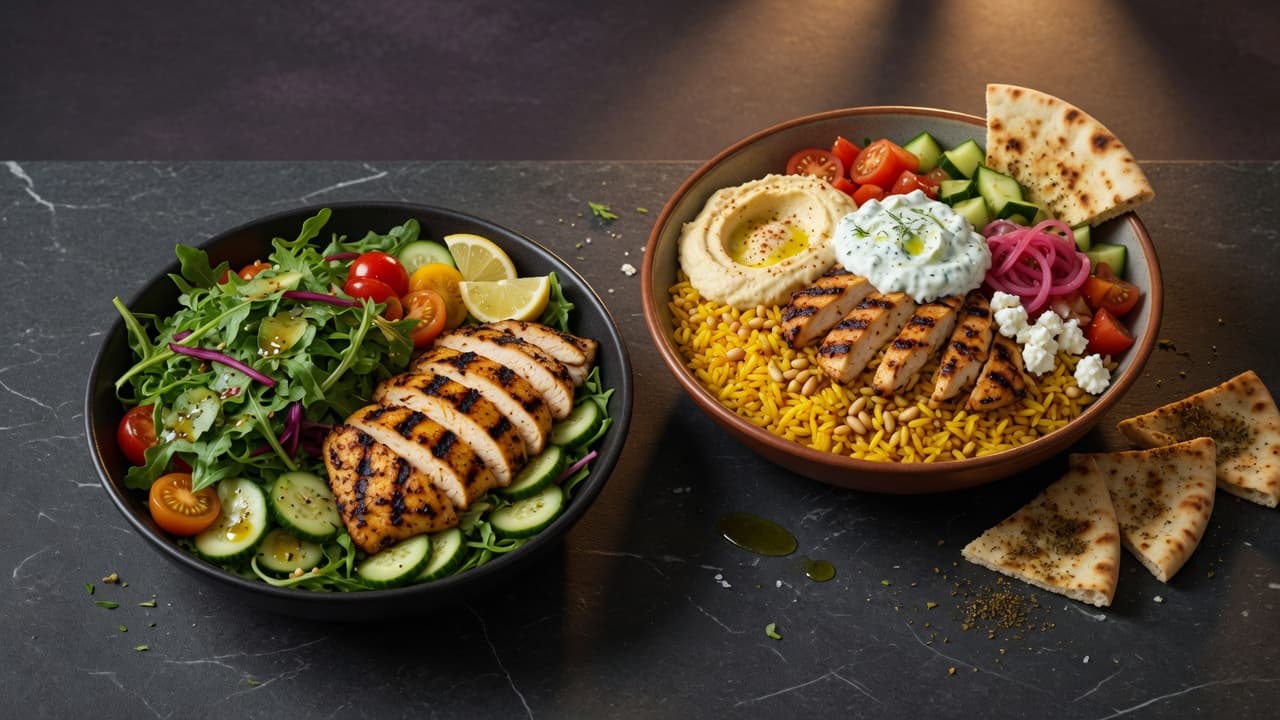
CAVA is genuinely closer to a macro-friendly default than most fast-casual chains. The reason it earns that reputation is the same reason it can quietly undo a deficit. Grilled protein and lentils are easy. Olive oil, feta, pita, and double sauce are also easy, and they stack into bowls that look like the healthy choice while reading like a 900 kcal event on the back end. Order to the goal you are eating for today, log the components when you build your own, and weigh on Wednesday rather than Tuesday.
Footnotes
CAVA. Menu. cava.com/menu. Curated bowl calories and build-your-own ranges as published on the public menu page.
Back to textBack to text 2Back to text 3CAVA. Nutrition and Allergen Guide (PDF, current revision). Linked from cava.com/nutrition. Direct PDF. CAVA states that allergen and ingredient information depends on supplier data, cross-contact risk, and substitutions, so values are reference points rather than guarantees.
Back to textBack to text 2Back to text 3Back to text 4Back to text 5Back to text 6Back to text 7Back to text 8Back to text 9Back to text 10Back to text 11Back to text 12Back to text 13Back to text 14Back to text 15Back to text 16Back to text 17Back to text 18Back to text 19Back to text 20Back to text 21Back to text 22Back to text 23Back to text 24Back to text 25Back to text 26Back to text 27Back to text 28Back to text 29Back to text 30Back to text 31Back to text 32Back to text 33Back to text 34Back to text 35U.S. Food and Drug Administration. Daily Value on the Nutrition and Supplement Facts Labels. Sodium Daily Value
Back to textBack to text 22,300 mg/day. FDAKerksick CM, Arent S, Schoenfeld BJ, et al. International society of sports nutrition position stand: nutrient timing. J Int Soc Sports Nutr. 2017, 14:33. PMC. Practical per-meal protein dosing of
Back to textBack to text 20.25 to 0.40 g/kgevery 3 to 4 hours.Fuel Nutrition. Eat Out help article. Eat Out is a menu-scan and ranking feature, not a guarantee of restaurant nutrition values.
Back to textBack to text 2