
Key Takeaways
Lose It! and Noom answer fundamentally different questions. Lose It! answers "how many calories did I eat?" Noom answers "why do I eat the way I do?" Lose It! is 20x cheaper, dramatically more reliable, and a better daily logging tool. Noom has genuine coaching depth but delivers it through an app that frequently does not work. The choice is between affordable counting and expensive coaching, with reliability as the deciding factor.
01About Lose It!
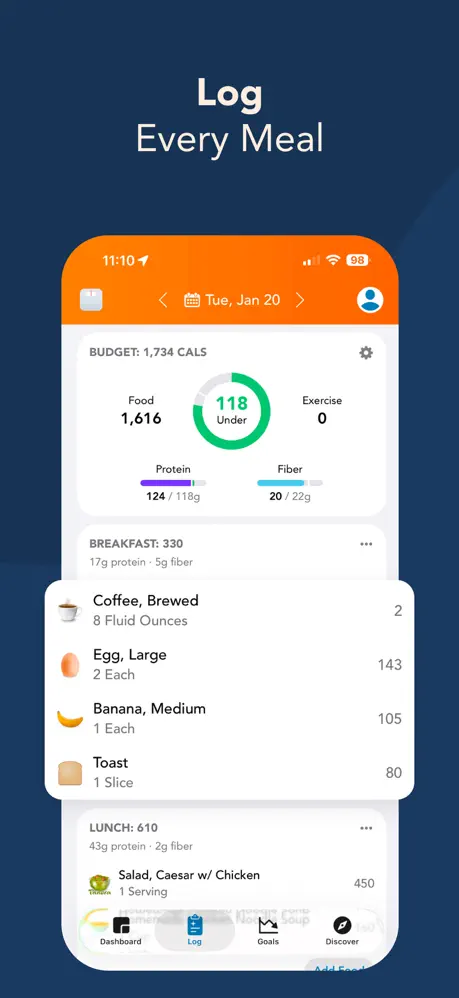
Lose It! is one of the most approachable calorie tracking apps available. The core workflow is simple: search the food database, scan a barcode, log your meal, and stay under your calorie target. The interface is clean and friendly, food search is fast, barcode scanning is free on all tiers, and meal copying lets you repeat common meals without re-logging. The app works every time you open it.
At $39.99/year for Premium, Lose It! is among the cheapest tracking apps in the category. The free tier is functional but comes with aggressive upsell pressure, discount timers, persistent banners, and nudges on every screen. The app offers no coaching, no adaptive goals, no behavior change content, and no AI features. It is a pure calorie counter: reliable, affordable, and limited to the math of calories in versus calories out.
02About Noom
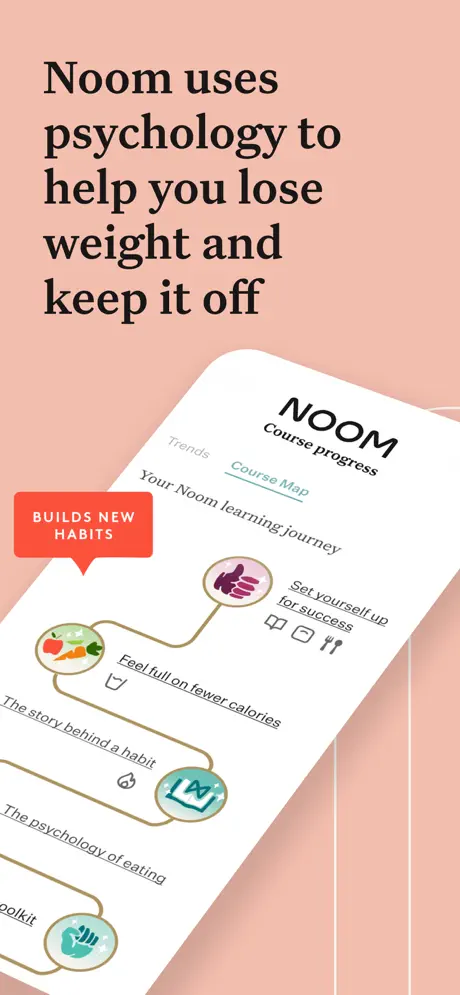
Noom is a behavioral psychology program delivered through a mobile app. The core product is a coaching curriculum. Daily content modules teach food psychology, build awareness of eating patterns, and introduce behavior change frameworks grounded in clinical research. A color-coding system categorizes foods by caloric density (green, yellow, orange) to simplify decision-making. Human coach access provides accountability and personalized guidance.
The intellectual framework is compelling. The execution is not. Noom's app frequently fails to load, presenting blank screens or infinite loading states. The recommended fix is to reinstall, which resets all your preferences, coach conversation context, and customized settings. Food logging is basic manual search with no barcode scanning, no photo input, no voice input, and no meal copying between days. Customer support is effectively unreachable when problems arise. At approximately $70/month, Noom charges a significant premium for coaching content delivered on a platform that cannot guarantee it will open.
03Coaching style and daily feedback
This is the comparison's defining dimension and Noom's clear strength.
Noom's psychology-based coaching is genuine and research-backed. Daily lessons cover emotional eating patterns, portion perception, hunger versus craving distinctions, habit loop awareness, and food categorization strategies. The content is written at an accessible level without being condescending. Human coach access adds accountability, someone checks in on your progress and responds to your questions. For users whose weight challenges are rooted in behavior patterns rather than calorie ignorance, this has real value.
Lose It! has no coaching at all. It assigns a calorie target at onboarding and never revisits it. There are no lessons, no psychology content, no behavior change framework, and no human feedback. If you already know how to eat and just need a tracking tool, this is fine. If you need help understanding why you eat the way you do, Lose It! cannot help.
Winner: Noom – psychology-based coaching with human accountability is a fundamentally different product than a static calorie number.
04How each app handles food logging
Lose It! is the dramatically better logging tool. Free barcode scanning, fast database search, meal copying, and a clean daily workflow make it efficient and reliable. You scan a barcode in two seconds, confirm the serving size, and move on. Repeated meals can be copied from previous days. The process is transparent: you see the entry, the macros, and the serving options before logging.
Noom's logging is an afterthought. Manual search only, no barcode scanner, no photo input, no voice logging. You type a food name, scroll through limited results, and select an entry. You cannot copy meals between days, which means every repeated meal requires full re-entry. Manual entries behave inconsistently. The logging experience feels designed to satisfy a checklist requirement rather than serve as a daily tool.
For a nutrition app, where logging is the core daily action, this gap is significant. Noom's coaching content is valuable, but the tool you use to apply it is the weakest in the category.
Winner: Lose It! – free barcode scanning, meal copying, and reliable logging versus basic manual search with no shortcuts.
05Crashes and day-to-day stability
Lose It! works. Every time you open it. The food search returns results. Barcode scanning resolves. Logged entries persist. Updates do not break core functionality. The daily experience is predictable and stable. The upsell pressure is annoying, but the underlying tool is reliable.
Noom's app has fundamental reliability problems. Users report frequent load failures, launching the app and getting a blank screen or an infinite spinner. The recommended fix is to reinstall, which resets all preferences, custom settings, and coach conversation context. This cycle recurs regularly. When the app does load, the experience can be functional, but the uncertainty of whether it will load at all erodes trust in a daily-use tool.
Customer support, which should be the safety net for app failures, is effectively unreachable. Users report days-long waits for responses to critical issues.
Winner: Lose It! – an app that opens every time versus an app that frequently does not.
06Free tiers and paid walls
The price gap is the largest in any mainstream nutrition app comparison. Lose It! Premium costs $39.99/year. Noom costs approximately $70/month for shorter plan lengths, with discounts for longer commitments that still place the annual cost well above $400.
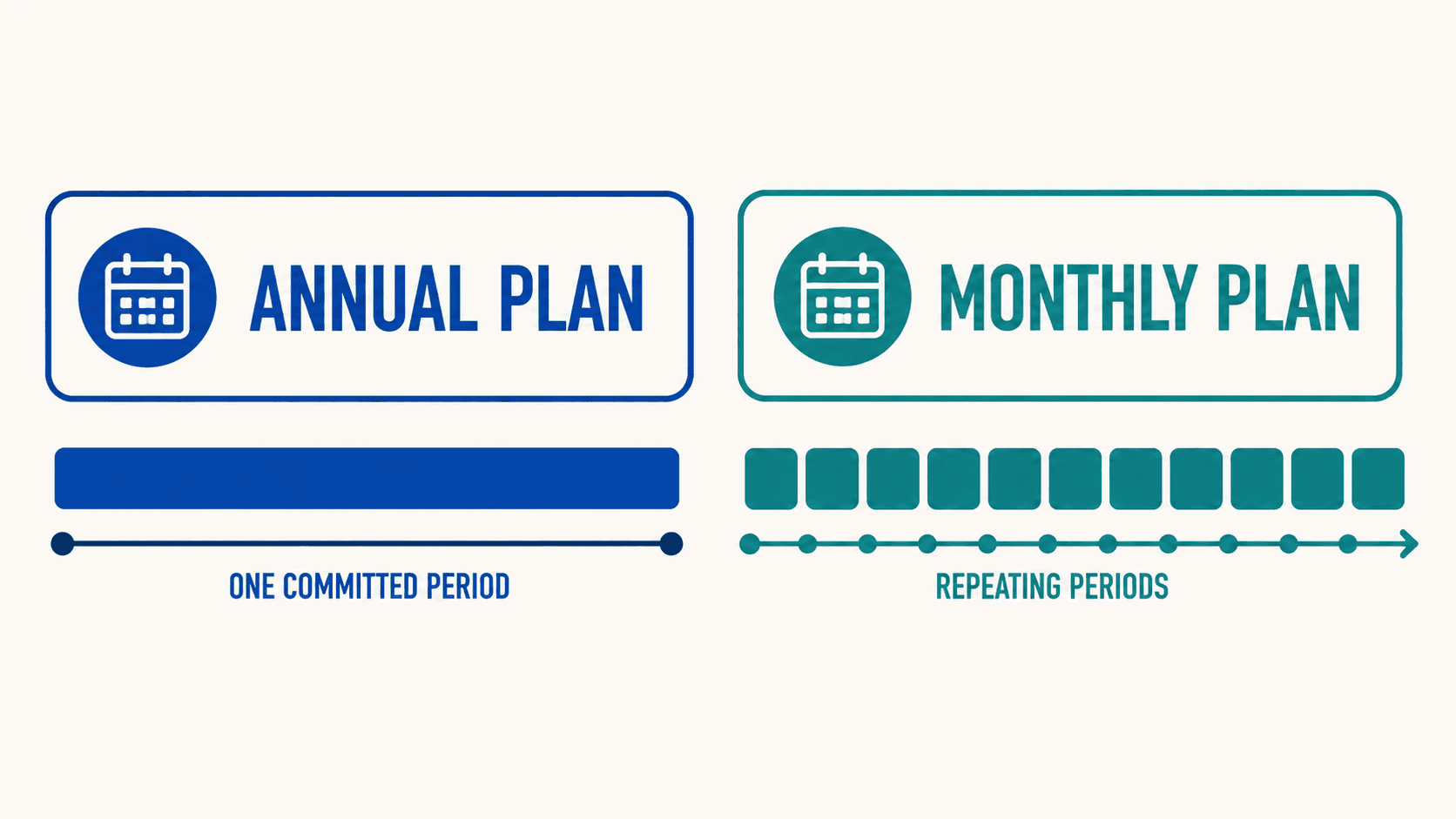
At roughly 20x the annual price, Noom's coaching content and human coach access must deliver extraordinary value to justify the premium. For users who engage deeply with the psychology curriculum, interact regularly with their coach, and find that behavior change translates to lasting weight management, the investment may return. For users who primarily need calorie tracking, Noom is dramatically overpriced for what its logging tool delivers.
Winner: Lose It! – $39.99/year is 20x cheaper, and the logging tool is objectively better.
07Apple Watch & Integrations
Lose It! offers basic Apple Watch integration, log food and check your remaining calorie budget from your wrist. It is not a full companion experience, but it provides wrist-based access to daily progress.
Noom does not have an Apple Watch app. All interactions require your phone. Noom does integrate with some fitness platforms for step counting, but the integration is limited.
Winner: Lose It! – basic Watch integration versus none.
08Who should pick Lose It! vs Noom
Choose Lose It! if you want reliable, affordable calorie tracking and already have the knowledge and motivation to manage your nutrition independently. Free barcode scanning, a clean interface, and $39.99/year pricing make Lose It! the practical choice for self-directed trackers. The app works every day, the daily workflow is fast, and the cost is trivial. Accept the absence of coaching and the upsell pressure as the trade-off for accessibility and reliability.
Choose Noom if behavioral coaching is what you need and calorie tracking alone has not produced lasting results. If your challenges with food are psychological (emotional eating, portion distortion, unconscious habit loops), Noom's curriculum and human coach access address those root causes in a way no calorie counter can. Be prepared for approximately $70/month, an app that may not load reliably, basic logging tools, and support that may not respond. The coaching content is genuine. The delivery platform is not.
09Final pick based on your priority
Lose It! is the reliable, affordable calorie counter that works every day. Noom is the ambitious coaching program that addresses food psychology at a premium price, but delivers it on an unreliable app with the weakest logging tools in the category. The value gap is enormous: 20x the price for coaching content that sits on top of a platform that frequently cannot open.
For most users, Lose It!'s reliability and price make it the practical choice. For users specifically seeking behavior change coaching who can afford the premium and tolerate the app issues, Noom's depth is real (if you can access it).
Looking for coaching that is built into a reliable daily tool, not a content program on top of a broken app? Fuel delivers AI-powered logging, daily health scoring, and weekly coaching at a fraction of Noom's price, and the app opens every time.
Frequently Asked Questions
Is Noom worth the price compared to Lose It!?
Noom costs roughly 20x what Lose It! costs annually (~$840/yr vs $39.99/yr). Noom's value is in its psychology-based coaching and human coach access, genuine differentiators. If you engage deeply with the content and coaching, the premium may be justified. If you primarily need calorie tracking, Lose It! delivers that at a fraction of the cost.
Does Noom have barcode scanning?
No. Noom uses manual search only for food logging. There is no barcode scanner, no photo logging, and no voice input. Lose It! includes free barcode scanning on all tiers.
Which app is more reliable?
Lose It! is significantly more reliable. The app opens consistently, features work as expected, and updates do not break core functionality. Noom's app frequently fails to load, the recommended fix (reinstalling) resets all preferences, and customer support is effectively unreachable.
Does Lose It! have any coaching?
No. Lose It! provides a static calorie target and leaves execution to the user. There are no daily lessons, no behavior change content, no human coach, and no adaptive goal adjustment. It counts calories and nothing more.
Can I use either app on Apple Watch?
Lose It! offers basic Apple Watch integration for logging and calorie checking. Noom does not have an Apple Watch app. Neither provides a full Watch companion experience.