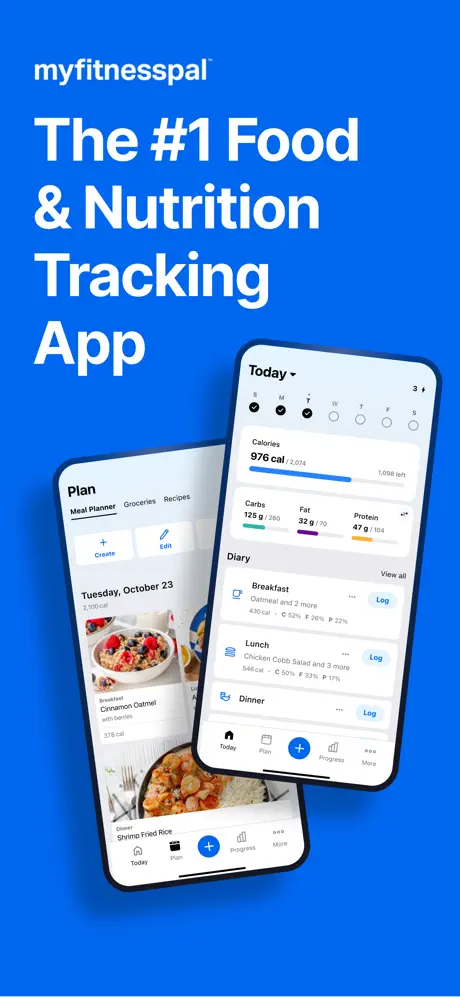
For someone who wants free barcode and macro logging, fatsecret has a clear starting advantage. MyFitnessPal is worth comparing when its connected services or paid logging and planning tools solve a specific problem for you.
About this comparison. Fuel publishes this page and competes with these apps. This September 8, 2026 update compares documented features, tier access, and practical use cases. It is not a new controlled speed, accuracy, or reliability test. Recommendations are qualitative; an older review score is not a measured head-to-head result.
01Start with the cost of your daily logging habit
Choose fatsecret for free barcode and macro tracking before committing to a subscription. Choose MyFitnessPal for an established food diary, connected services, and paid logging tools.
02What each app currently offers
fatsecret has a useful free baseline: barcode scanning and macro tracking. Premium Smart Food Scan identifies foods, estimates portions, matches database entries, and lets you adjust results. Describing it as only a catalog lookup leaves out a documented part of the workflow.
MyFitnessPal offers a broad food diary and connected-service ecosystem. Premium includes barcode scanning, Meal Scan, voice logging, and fasting; Premium+ adds Meal Planner. Nutrition Coach is available on supported paid iOS plans. A feature being documented does not mean it is available in every language or on every device.
03What free actually buys
A packaged-food routine makes the barcode paywall consequential: fatsecret documents free scanning, while MyFitnessPal lists it under Premium. Existing accounts and local offers should still be checked before migrating.
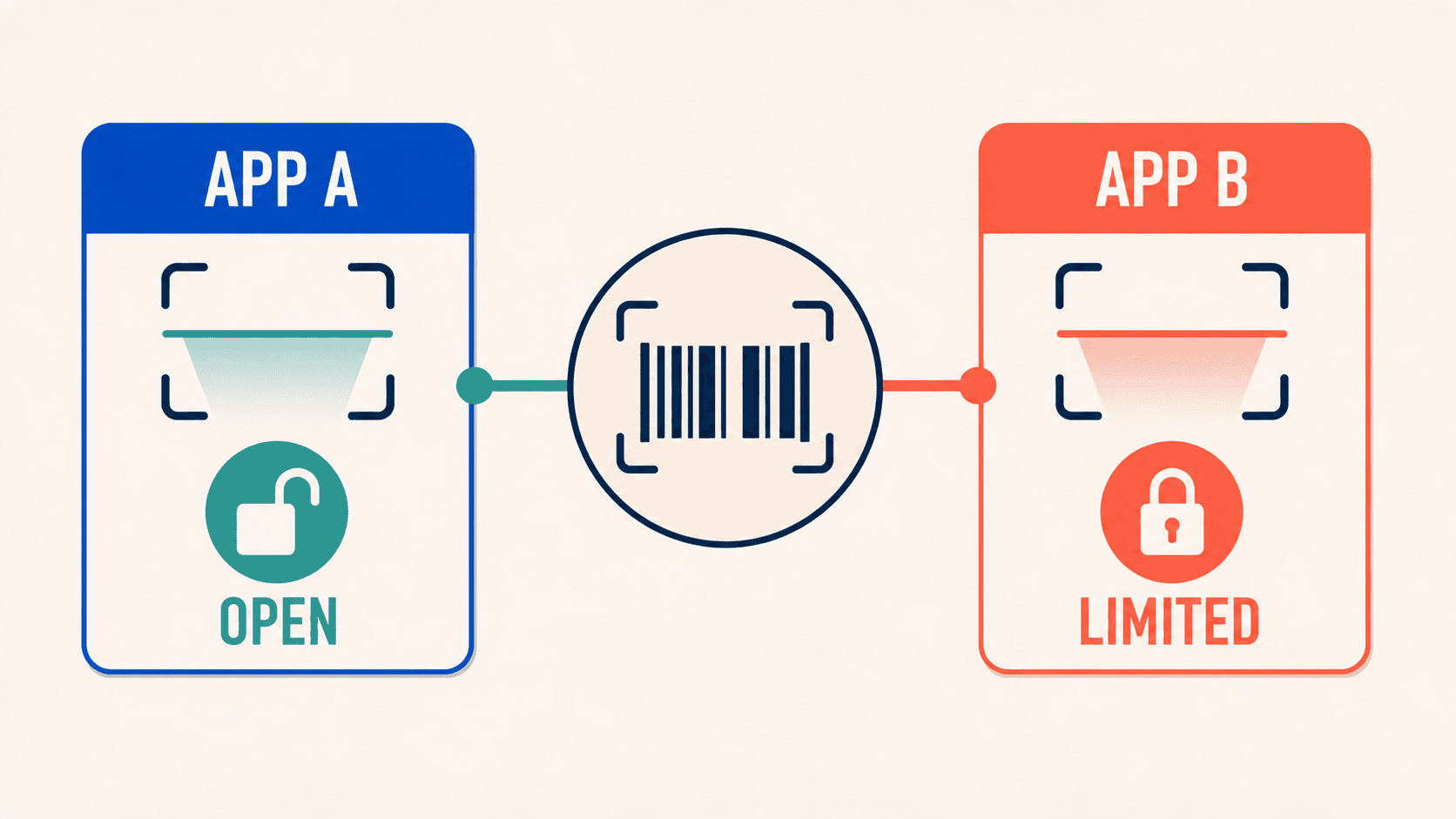
Log a full ordinary day in the free tier before evaluating an upgrade. You may not need a paid plan to solve the problem that brought you here.
04Photo logging is available in both paid products
fatsecret Smart Food Scan includes food identification and portion estimates followed by correction. MyFitnessPal Meal Scan is a Premium feature, with supported-language and device conditions.
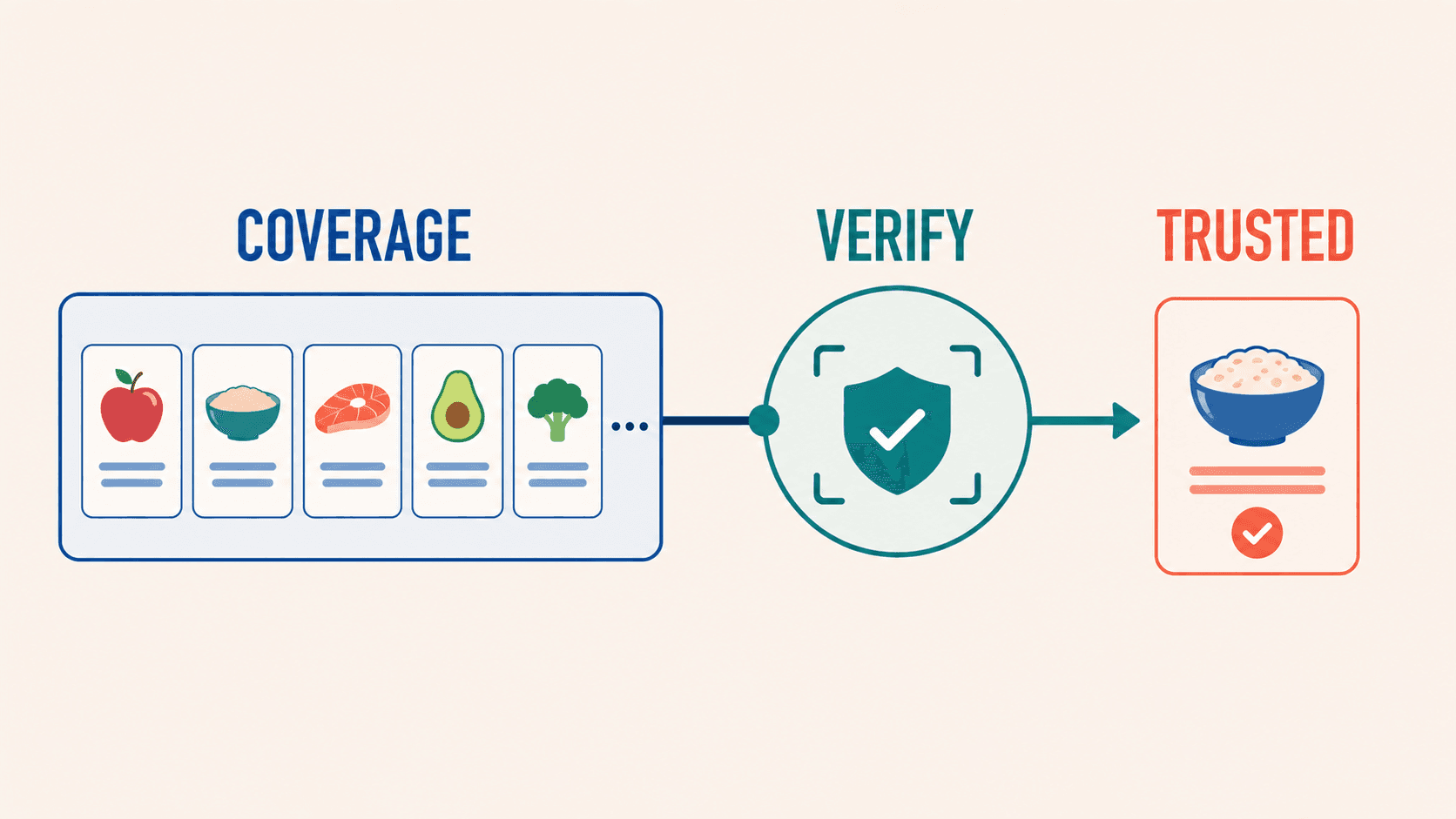
Compare results after editing a mixed meal. A verified food match cannot tell the app how much oil went into your dinner or how much you left uneaten.
05Database size is a weak shortcut for daily usefulness
The better database for you is the one that returns a correct, usable entry for the foods you buy. Duplicate records and unfamiliar serving units can matter more than the headline count.
Use five recurring products and one saved recipe as a trial checklist. Choose the app that makes the correct entries easiest to reuse.
06Compare the full cost before choosing
fatsecret: Free basic tier; regional Premium subscription offers. Official features and terms.
MyFitnessPal: US Premium reference offers: $19.99/month or $79.99/year; Premium+ separate. Official features and terms.
MyFitnessPal reference prices come from its US App Store listing, which also lists other offers. A monthly equivalent for an annual plan is still an upfront annual charge. Where a public fixed price is unavailable, compare the offers shown on the same day in the same country rather than treating an old promotional price as universal.
07Make the choice from your next ordinary week
Start with the app that solves the problem named above, then log a normal workday and a training or weekend day. Check portions, reuse a meal, and inspect the feedback before the trial ends.
If your priority is Apple Watch-based targets and a daily coaching workflow, see how Fuel works. That is a separate product choice; the case for either app here should stand on its own.
Frequently Asked Questions
Who should choose fatsecret?
Choose it for free barcode and macro tracking before committing to a subscription. Check the documented feature tier and the local subscription offer.
Who should choose MyFitnessPal?
Choose it for an established food diary, connected services, and paid logging tools. Compare the corrected meal entry and the feedback you will actually use.
Are the prices and features current?
Official product and support pages were checked September 8, 2026. Named US prices are reference offers; local pricing, trials, and legacy-account access can differ. Confirm the full billed and renewal amounts before subscribing.