


Key Takeaways
MacroFactor and YAZIO occupy different ends of the nutrition-app commitment spectrum. MacroFactor is built for serious trackers who want scientifically adaptive coaching with no free tier, a steeper learning curve, but genuine metabolic intelligence that evolves with your body. YAZIO is built for users who want a beautiful, affordable daily tracker with fasting tools and gamification offering lower commitment, lower price, but no real coaching and documented data integrity issues. The choice depends on whether you prioritize metabolic precision or daily experience and accessibility.
01About MacroFactor
MacroFactor is a macro-tracking application developed by Stronger By Science, a team with deep roots in evidence-based fitness content. The app's central feature is an adaptive expenditure model that calculates your actual total daily energy expenditure from your logged food intake and body-weight trends. Instead of relying on generic online calculators, MacroFactor builds a personalized metabolic profile that updates continuously as new data comes in. When your metabolism adapts to a prolonged deficit, when your activity level shifts, or when your body composition changes, your macro targets adjust automatically.
The app costs $11.99 per month with no free tier. It includes barcode scanning, a crowd-sourced food database with acknowledged gaps outside North America, and detailed analytics showing expenditure trends, weight modeling, and macro adherence over time. The learning curve is steeper than most nutrition apps. The developers themselves describe early friction as expected. MacroFactor is designed for users who take macro tracking seriously and want their tool to be as rigorous as their approach, not for casual counters. The payoff for pushing through the learning curve is a system that gets measurably smarter about your body over weeks and months of use. The longer you stay, the more accurate the expenditure model becomes.
02About YAZIO
YAZIO is a Germany-based calorie tracking app that has built a strong following in Europe with one of the most visually polished interfaces in the nutrition-app category. Clean typography, smooth animations, and thoughtful design make the daily tracking experience feel premium. Beyond standard calorie and macro tracking, YAZIO includes intermittent fasting timers with preset and customizable windows, a feature that has become central to its appeal.
YAZIO offers a functional free tier with minimal ads, plus a Pro subscription at $6.99 per month that unlocks additional features. The app includes barcode scanning and database search in all tiers. It also features gamification elements, diamond chests and reward systems, intended to boost engagement, though users report these rewards frequently do not trigger as described. YAZIO has a basic Apple Watch integration for wrist-based tracking.
Underneath the polish, YAZIO has documented data integrity concerns. Nutrition values do not always match product packaging, phantom entries appear in daily logs, and the calendar can break after updates. The gap between YAZIO's surface quality and its data reliability is the app's defining tension.
03Coaching vs Tracking
Winner: MacroFactor
This is the fundamental divide between the two apps. MacroFactor provides genuine coaching through its adaptive expenditure model. It analyzes your metabolic trends and adjusts your targets to keep you progressing toward your goal, rather than simply displaying your calorie balance. When you hit a plateau after weeks of consistent tracking, MacroFactor detects the expenditure shift and recalibrates. Your targets evolve with your body. No other mainstream tracker does this.
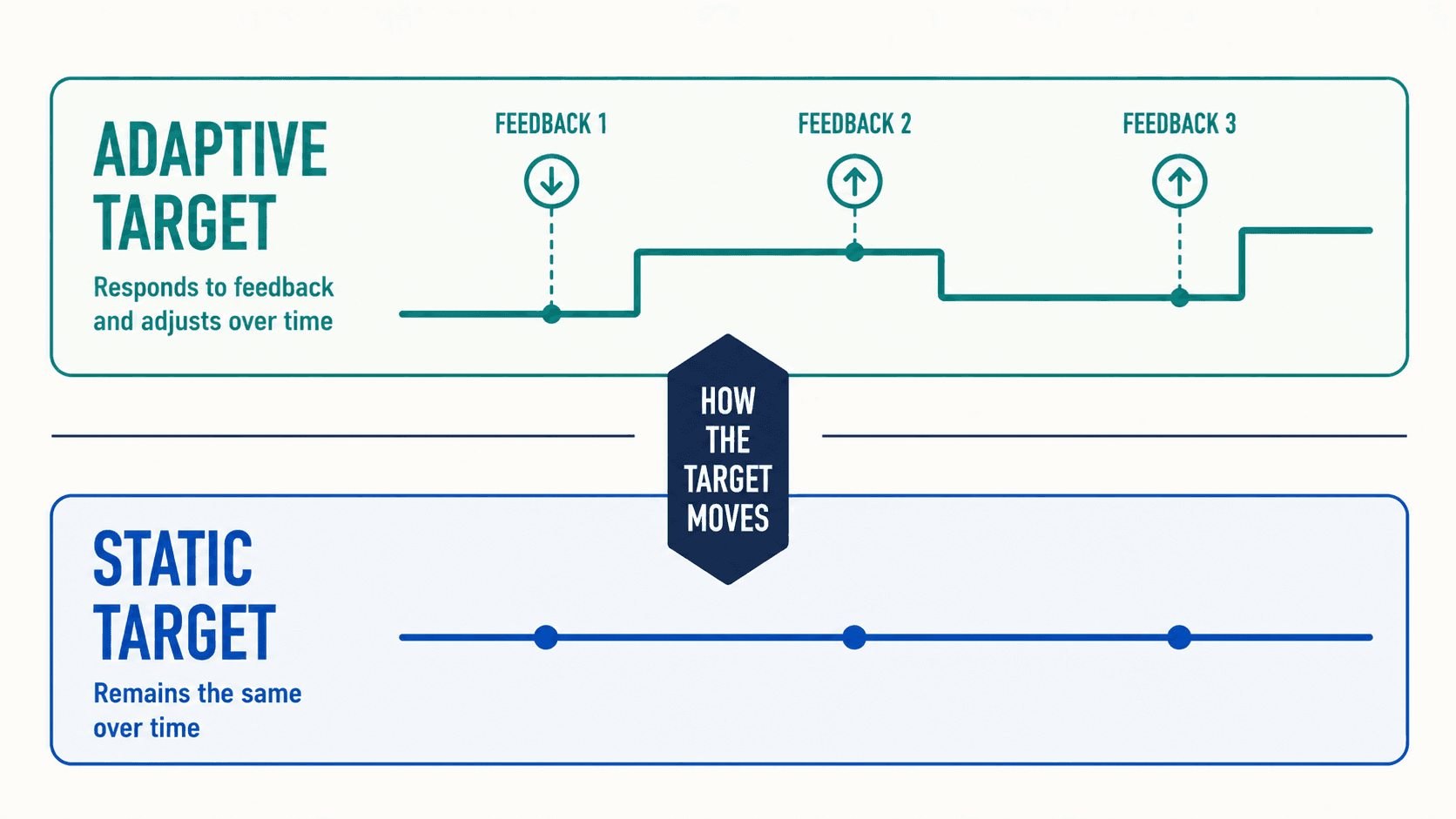
YAZIO sets a calorie target and tracks your daily intake against it. Gamification elements like diamond chests add surface-level engagement, but they do not function as coaching. They do not analyze your data, detect plateaus, or adjust your plan. Users report that the reward mechanics frequently do not trigger as described. Completing the actions that should unlock chests produces nothing, while rewards sometimes appear without clear triggers. The result is confusion rather than motivation. YAZIO is a tracker with game elements, not a coach with tracking tools. The gamification adds engagement flavor but does not substitute for the metabolic intelligence that MacroFactor provides.
For users who want their app to think about their data and respond with adjusted guidance, MacroFactor is in a different category entirely. The coaching gap is not incremental. YAZIO does not attempt to solve the problem that MacroFactor was specifically built to address.
04Day-to-day UI friction
Winner: YAZIO
YAZIO is one of the most thoughtfully designed nutrition apps available. The interface feels like a product from a design portfolio with clean layouts, smooth transitions, modern typography, and an overall experience that makes daily logging feel pleasant rather than clinical. The intermittent fasting timer integrates naturally into the daily view, and the visual presentation of macros and daily progress is clear and attractive.
MacroFactor prioritizes function over form. The interface is data-dense, built for users who want to see expenditure graphs, macro adherence trends, and weight modeling charts. The learning curve reflects this data-forward approach. New users may feel overwhelmed by the volume of information presented before they understand what matters. Once you learn to read the analytics, the density becomes valuable. But the daily experience is utilitarian rather than polished.
For users who open their nutrition app multiple times per day and want each interaction to feel smooth, YAZIO delivers a meaningfully better tactile experience. MacroFactor delivers more intelligence, but less polish. The question is whether you open your nutrition app to enjoy the experience or to act on the data. Both answers are valid, but they lead to different products.
05Food Database and Data Integrity
Winner: MacroFactor (within coverage area)
MacroFactor's database is crowd-sourced and has meaningful gaps outside North America. European users report significant limitations and heavy reliance on manual entry. But within its coverage area, primarily the United States and Canada, the data is generally reliable. The entries you find tend to have accurate macro splits and reasonable serving sizes.
YAZIO's database has a more fundamental problem: data integrity. Users consistently report that nutrition values in the app do not match the values on actual product packaging. Phantom entries appear in daily logs. Foods that were not logged inflate totals without explanation. Custom food entries trigger dead-end "data doesn't add up" errors that provide no resolution path. The calendar breaks after updates, displaying incorrect daily summaries. Switching phones causes historical data to fail to load.
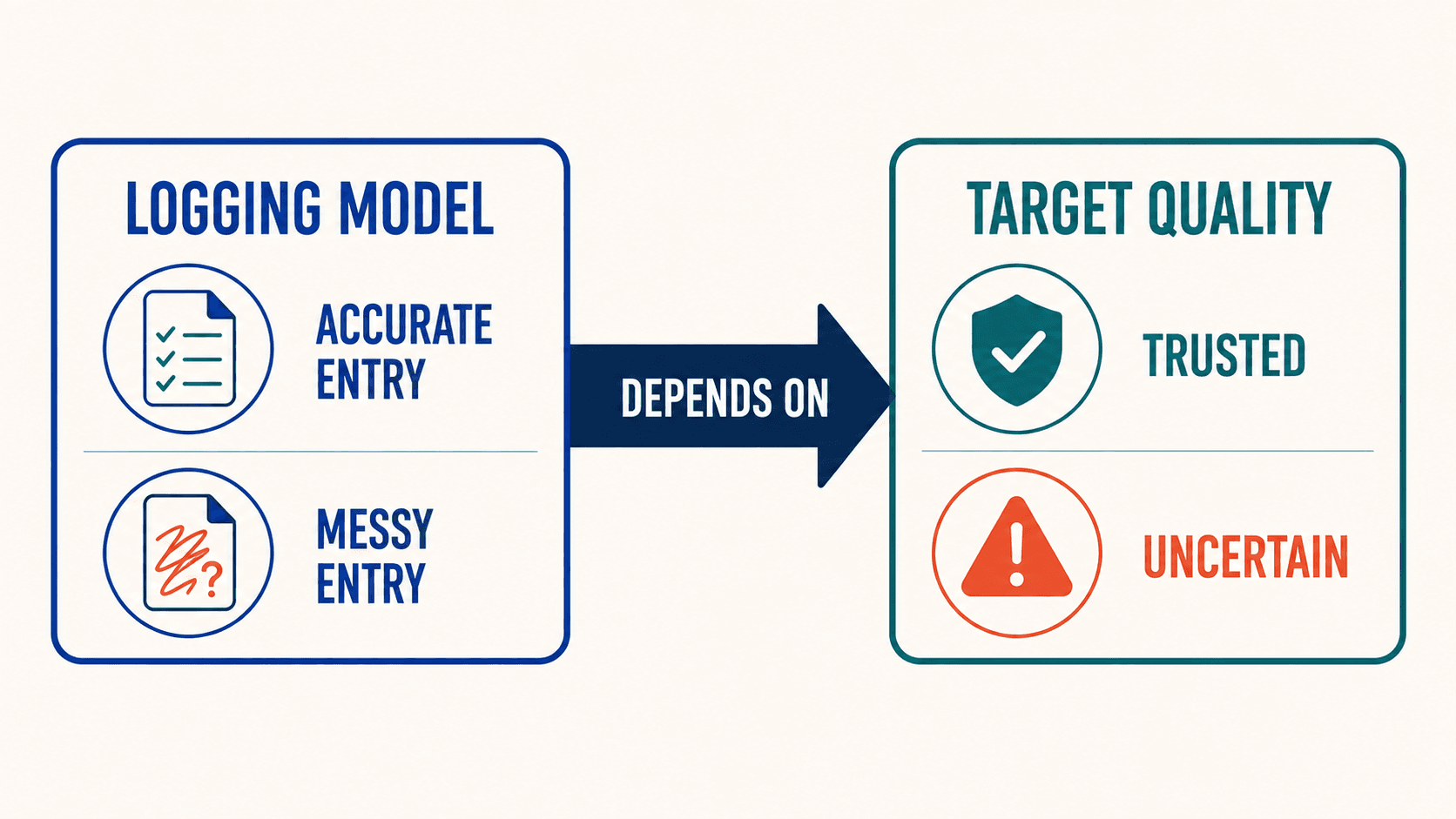
The distinction matters. MacroFactor's database is incomplete in certain regions. That's a coverage gap. YAZIO's database has entries that are present but inaccurate. That's a trust gap. A missing entry is frustrating. A wrong entry is worse because you may not realize the error until your progress stalls for reasons you cannot identify. For MacroFactor specifically, data integrity is even more critical because the adaptive expenditure model ingests your logged intake as a core input. Inaccurate food entries would corrupt the expenditure calculation itself. YAZIO's data problems would matter less in a simpler tracker, but they still undermine trust in the daily calorie totals that users depend on for their decisions.
06Intermittent Fasting
Winner: YAZIO
YAZIO includes a built-in intermittent fasting timer with preset windows (16:8 is the most popular) and fully customizable schedules. The timer integrates into the daily tracking view, making it easy to manage eating windows alongside calorie targets. For users whose nutrition approach centers on time-restricted eating, YAZIO offers a convenient all-in-one tool.
MacroFactor does not include fasting tools. Its focus is macro-based adaptive coaching, and time-restricted eating is outside its scope. Users who practice intermittent fasting alongside macro tracking would need a separate fasting app to complement MacroFactor. That's an added inconvenience that YAZIO avoids by bundling fasting into its core experience. For the growing number of users who combine fasting windows with calorie tracking, YAZIO's integrated approach saves both screen time and cognitive overhead.
07Free tiers and paid walls
Winner: YAZIO
YAZIO Pro at $6.99 per month with a functional free tier is among the most accessible options in the nutrition-app category. You can evaluate the core tracking experience without spending anything, and the Pro upgrade is modestly priced for what it includes.
MacroFactor at $11.99 per month with no free tier requires a financial commitment before you experience any part of the product. There is no trial period, no limited free version, and no way to evaluate the adaptive model before paying. For users who are unsure whether they need adaptive coaching or whether MacroFactor's specific approach will work for them, the lack of a try-before-you-buy option is a genuine barrier.
YAZIO wins on price and on the ability to start using the product without financial risk. MacroFactor's value proposition may justify its higher price for the right user, but the onboarding path is less forgiving. Over a year, YAZIO Pro costs $83.88 while MacroFactor costs $143.88. That's a $60 difference that grows more significant when you factor in YAZIO's functional free tier as an extended evaluation period that MacroFactor cannot match.
08Apple Watch logging and Health sync
Winner: YAZIO
YAZIO offers basic Apple Watch integration for wrist-based logging and progress checking. It is not a full companion experience, but it provides the option to interact with the app from your wrist.
MacroFactor now has an Apple Watch app with core logging, glanceable nutrition, and weight tracking. That closes a real gap, but the Watch experience remains limited compared with broader Apple ecosystem products. YAZIO's Watch integration is also basic rather than comprehensive, so the difference here is narrower than it used to be.
09Who should pick MacroFactor
MacroFactor is the right choice if you are a serious macro tracker, primarily based in North America, and want your targets to adapt to your real metabolism rather than staying static. You value coaching intelligence over visual polish, you are comfortable with a data-dense interface and a learning curve, and you are willing to pay $11.99 per month from day one without a trial. You need a system that gets smarter about your body over time rather than fasting tools or gamification. You have likely tried simpler trackers and found that static targets stopped producing results after the initial weeks of a cut or bulk.
10Who should pick YAZIO
YAZIO is the right choice if you want a visually polished daily tracker with intermittent fasting tools at an accessible price. You value design quality, appreciate gamification elements (even imperfect ones), and prefer to start with a free tier before committing money. You are comfortable working around occasional data accuracy issues and can verify nutrition values against product labels when precision matters. You want a pleasant daily logging experience more than adaptive coaching depth. Your nutrition approach may center on time-restricted eating and calorie awareness rather than precise macro targets. YAZIO's integrated fasting timer supports that approach natively. The low price means you can evaluate the full experience with minimal financial risk before deciding whether a more advanced tool is necessary.
11Final pick based on your priority
MacroFactor and YAZIO serve different users with different priorities. MacroFactor offers genuine metabolic coaching that no mainstream tracker matches with adaptive targets, expenditure modeling, and continuous recalibration. YAZIO offers one of the category's best daily experiences with beautiful design, fasting tools, and a price that makes it easy to start. MacroFactor has the smarter engine. YAZIO has the better storefront. Choose based on whether you need coaching intelligence or daily convenience. Know that neither is free of meaningful trade-offs. MacroFactor's database gaps limit its reach outside North America. YAZIO's data integrity issues undermine trust in the numbers it shows you. The ideal user for MacroFactor already knows they need adaptive targets. The ideal user for YAZIO wants an enjoyable daily habit more than metabolic precision.
Looking for adaptive coaching with polished design and global coverage? Fuel delivers a living plan timeline, AI-powered logging, Apple Watch support, and daily coaching with accessible pricing without the geographic limitations or the data integrity concerns.
Frequently Asked Questions
Is MacroFactor or YAZIO better for weight loss?
MacroFactor continuously adjusts your targets based on real metabolic data, which helps break through plateaus that static targets cannot address. YAZIO provides a fixed calorie target with tracking tools. For sustained weight loss where plateaus are a concern, MacroFactor's adaptive approach is more effective, though YAZIO's lower price and easier onboarding may sustain daily use better for casual dieters.
Does YAZIO have accurate nutrition data?
YAZIO's data integrity is a documented concern. Users report that nutrition values do not match package labels, phantom entries appear in daily logs, and custom food entries trigger dead-end errors. The interface is polished, but the underlying data is not always trustworthy.
Is MacroFactor worth $11.99/mo without a free trial?
For serious macro trackers who log consistently and want adaptive coaching, MacroFactor's expenditure model delivers genuine value that no other mainstream app replicates. For casual calorie counters, the price and learning curve may not justify the investment, especially when apps like YAZIO offer a free tier.
Does YAZIO work for intermittent fasting?
Yes. YAZIO includes intermittent fasting timers with preset windows like 16:8 and customizable schedules. MacroFactor does not offer fasting tools. If fasting is central to your approach, YAZIO has a clear advantage here.